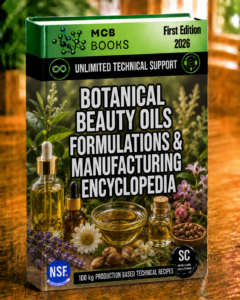
How to make tea tree oil and how to use it in soap production are two closely related topics for anyone interested in herbal cosmetics and natural soap manufacturing. Tea tree oil is widely used in personal care products because of its distinctive aroma and its popularity in skin-cleansing formulations. In herbal soap production, the final product is usually made with a combination of tea tree oil, vegetable oils, sodium hydroxide, herbal extracts and water. The exact formulation may vary depending on the desired soap quality, hardness, fragrance and intended use.
For Natural and Herbal Tea Tree Oil Soap, the main raw materials generally include:
Tea Tree Oil: This is the key herbal oil in the formulation. The amount used depends on the desired product characteristics and the overall formulation of the soap.
Sodium Hydroxide: Sodium hydroxide is required for the saponification process, where oils are converted into soap. It is one of the essential ingredients in traditional soap manufacturing.
Herbal Oils: Vegetable oils such as olive oil, sunflower oil, coconut oil and castor oil can be used as supporting oils. Each oil contributes different properties to the final soap, including hardness, lather, conditioning and texture.
Herbal Extracts: Herbal or essential oil extracts may be added to support the fragrance profile and overall character of the product.
Water: Water is used to dissolve the sodium hydroxide and plays an important role in preparing the lye solution required for saponification.
This basic raw material structure gives a clear starting point for understanding how tea tree oil soap is produced before moving into the production process itself.
Looking for more detailed essential oil cosmetic formulations?
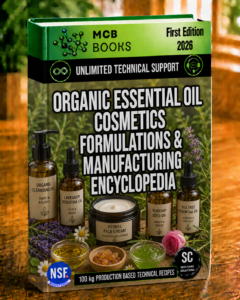
Explore our Organic Essential Oil Cosmetics Formulations & Manufacturing Encyclopedia for practical formulation and production information covering a wide range of essential oil based cosmetic products.
How Is Tea Tree Oil Made?
If you are searching for how to make tea tree oil, the first thing to know is that genuine tea tree essential oil is usually produced by steam distillation. In this process, steam passes through tea tree leaves and carries the volatile aromatic compounds with it. The vapor is then cooled and condensed so the essential oil can separate from the water.
This is different from simply soaking tea tree leaves in another oil. That kind of home preparation creates an infused oil, not the same product as distilled tea tree essential oil.
Can You Make Tea Tree Oil at Home?
Many people search for how to make tea tree oil at home, but the answer depends on what type of product you want to make.
A simple infused oil can be prepared at home using plant material and a suitable carrier oil. However, producing true tea tree essential oil normally requires distillation equipment and better control over the process.
For soap or cosmetic production, it is usually more practical to use tea tree essential oil obtained from a reliable supplier. This gives better consistency and makes it easier to control the final formulation.
Tea Tree Oil in Herbal Soap Production
Tea tree oil is commonly used in herbal soap because of its characteristic fresh aroma and its strong connection with botanical and natural cosmetic products.
A typical herbal tea tree oil soap formulation may include tea tree oil, vegetable oils, sodium hydroxide, water and selected herbal extracts.
Vegetable oils such as olive oil, coconut oil, sunflower oil and castor oil can be used to build the main soap base. Sodium hydroxide is required for the saponification process, while water is used to prepare the lye solution.
Tea tree oil is normally added as part of the aromatic and herbal profile of the soap rather than as the main saponifiable oil.
Tea Tree Oil Soap Formulation
A tea tree oil soap recipe and a commercial soap formulation are not exactly the same thing. Small home recipes may focus on basic ingredients, while commercial production usually requires more attention to consistency, raw material quality, processing conditions and finished product performance.
The balance between the oils, sodium hydroxide, water and aromatic ingredients can affect hardness, lather, fragrance and the overall feel of the final soap.
For this reason, tea tree oil should be treated as part of the complete formulation rather than simply added to any soap base without considering the other ingredients.
Looking for More Herbal Cosmetic Formulations?
If you are interested in more herbal cosmetic products, you can explore our Herbal Cosmetics Manufacturing Books category. The collection includes books covering herbal skin care, hair care, body care, soaps, botanical oils and other cosmetic formulations.
Summary
Learning how to make tea tree oil also means understanding the difference between essential oil production and cosmetic formulation. True tea tree essential oil is generally produced by steam distillation, while tea tree oil soap is made by combining the oil with a properly balanced soap formulation.
For herbal soap production, the most important points are reliable raw materials, a balanced oil system, correct saponification and a clear production method.
If the goal is commercial manufacturing, using a consistent tea tree oil source and a well-designed formulation is usually more practical than trying to produce the essential oil separately.