Tag Archives: 6-BA

PLANT TISSUE CULTURE GROWTH REGULATOR FORMULATIONS ENCYCLOPEDIA: COMPLETE GUIDE TO FORMULATIONS, APPLICATIONS AND COMMERCIAL PRODUCTION
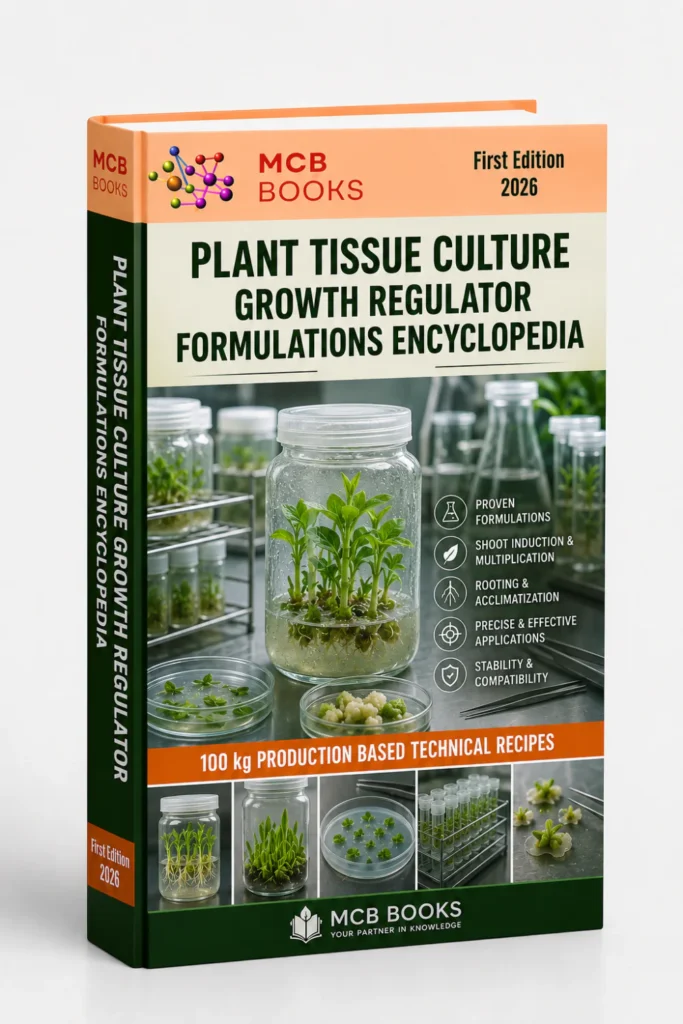
Plant tissue culture is one of the most important techniques used in modern plant biotechnology, commercial micropropagation, nursery production, crop improvement and research. Plant growth regulators play a central role in tissue culture because they influence cell division, callus formation, shoot induction, root development, organogenesis and plant regeneration. The correct selection and balance of auxins, […]
100 KG 6-BENZYLAMINOPURINE (6-BA/BAP) PLANT GROWTH REGULATOR FORMULAS FOR SHOOT DEVELOPMENT, CELL DIVISION, FLOWERING, FRUIT SETTING AND CROP YIELD

6-Benzylaminopurine, widely known as 6-BA or BAP, is a synthetic cytokinin plant growth regulator used in agriculture, horticulture, plant propagation, and specialized crop production. Its principal physiological function is associated with stimulation of cell division and regulation of plant growth processes. Properly formulated 6-BA/BAP products can be incorporated into professional crop-management programs designed for shoot […]

HOW TO MANUFACTURE 6-BENZYLAMINOPURINE (6-BA/BAP) PLANT GROWTH REGULATORS: FORMULATION, RAW MATERIALS AND COMMERCIAL MANUFACTURING METHODS

6-Benzylaminopurine, commonly known as 6-BA or BAP, is a synthetic cytokinin plant growth regulator widely used in agriculture, horticulture, plant propagation, and tissue culture. It is primarily associated with stimulation of cell division, shoot development, lateral branching, delayed leaf senescence, flowering, fruit development, and other physiological processes. Manufacturing commercial 6-BA/BAP products requires carefully designed formulation […]

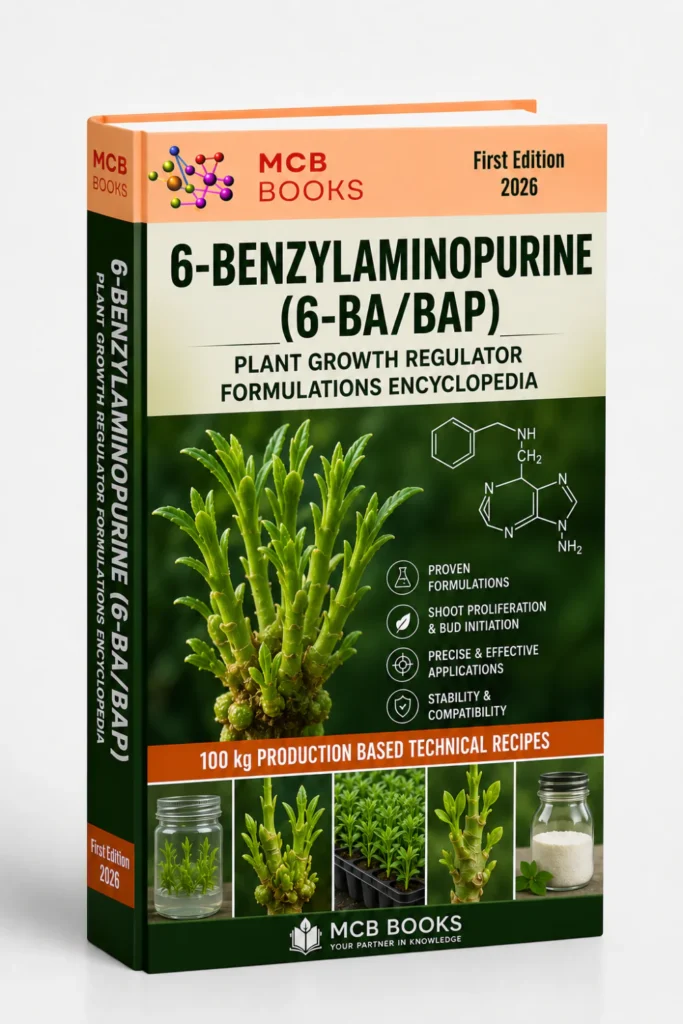
6-BENZYLAMINOPURINE (6-BA/BAP) PLANT GROWTH REGULATOR FORMULATIONS ENCYCLOPEDIA: COMPLETE GUIDE TO FORMULATIONS, APPLICATIONS AND COMMERCIAL PRODUCTION

6-Benzylaminopurine, commonly known as 6-BA or BAP, is a synthetic cytokinin plant growth regulator widely used in agriculture, horticulture, plant propagation, and tissue culture. It plays an important role in stimulating cell division, promoting shoot development, delaying leaf senescence, supporting flowering and fruit development, and influencing overall plant growth. Because of its strong physiological activity […]