Humic Acid Application Rate: How to Apply Humic Acid for Plants and Soil
Humic acid application rate is one of the most frequently asked questions among growers and fertilizer users. While humic acid powder can be applied directly to the soil, it is more commonly mixed with water and used through watering cans, sprayers or irrigation systems. One important point to remember is that higher application rates do not necessarily produce better results. In most cases, the recommended dosage has already been optimized for effective use.
When preparing a solution, many users first dissolve the powder in a separate container before adding it to the final spray or irrigation tank. This helps improve mixing and creates a more uniform liquid humic acid solution.
For soil applications, a common humic acid mixing ratio is approximately 90 ml of humic acid powder per litre of water (about 6 tablespoons or one-third of a cup). For direct soil treatment, growers often apply 45–90 ml of the prepared solution per 1,000 square feet, diluted with enough water to achieve uniform coverage. Applications are commonly made at planting, before germination or every 6–8 weeks during the growing season.
For foliar applications, the same initial solution can be prepared using 90 ml of humic acid powder per litre of water. The solution is then further diluted at approximately 20 ml per litre of water before spraying directly onto plant foliage until the leaves are evenly wetted. Because humic acid is highly effective at relatively low concentrations, applying more product than recommended is generally unnecessary.
Whether applied through soil, irrigation systems or foliar programs, following the correct humic acid application rate, humic acid dosage per litre and mixing recommendations can help achieve more consistent results while avoiding unnecessary product waste.
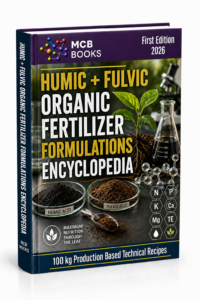
Looking for Professional Humic Acid Fertilizer Formulations?
Using the correct humic acid application rate is important, but application alone cannot compensate for a poorly formulated product. The effectiveness of a humic acid fertilizer depends on factors such as humic substance concentration, raw material quality, formulation design and manufacturing methods.
For fertilizer manufacturers and product developers, creating a stable and effective humic acid product often requires extensive testing, formulation work and production experience.
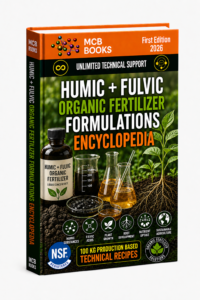
The HUMIC + FULVIC ORGANIC FERTILIZER FORMULATIONS ENCYCLOPEDIA provides practical formulation knowledge for companies developing humic acid and fulvic acid fertilizer products.
Inside the encyclopedia you will find:
✔ Humic Acid Fertilizer Formulations
✔ Humic + Fulvic Fertilizer Formulations
✔ Commercial Production Concepts
✔ Raw Material Selection Guidelines
✔ Manufacturing Procedures
✔ Product Development Know-How
✔ Professional Fertilizer Formulation Strategies
Why Application Rate Matters
One of the most common mistakes when using humic acid is assuming that higher application rates automatically produce better results. In practice, humic substances are typically effective at relatively low concentrations, which is why most manufacturers and agronomists recommend following established dosage guidelines rather than increasing the amount used.
The ideal humic acid application rate may vary depending on the product concentration, crop type, soil conditions and application method. For this reason, growers should always review the recommendations provided for the specific product being used.
Soil and Irrigation Applications
Humic acid is commonly applied directly to the soil or through irrigation systems. These methods allow humic substances to reach the root zone, where they can interact with soil particles and plant roots.
Many growers prefer applying humic acid before planting, during early crop establishment or throughout the growing season as part of a regular plant nutrition program. Periodic applications are often used to maintain consistent soil conditions and support nutrient availability.
Foliar Applications
In addition to soil treatments, humic acid can also be applied as a foliar spray. In these applications, a properly diluted solution is sprayed directly onto plant foliage to achieve uniform leaf coverage.
Foliar applications are often used alongside soil programs as part of a broader crop management strategy. As with any agricultural input, following the recommended humic acid mixing ratio and application guidelines is important for achieving consistent results.
Choosing the Right Humic Acid Product
Not all humic acid products are manufactured in the same way. Factors such as raw material quality, humic acid concentration, fulvic acid content, solubility and production methods can influence product performance.
For this reason, many fertilizer manufacturers invest significant effort in developing stable formulations that provide consistent quality and reliable field performance.
SUMMARY
Whether applied through soil applications, irrigation systems or foliar sprays, humic acid remains one of the most widely used inputs in modern agriculture. Understanding the correct humic acid mixing ratio, humic acid dosage per litre and application rate can help growers make more efficient use of these products.
At the same time, the quality of the formulation itself remains a key factor in determining long-term product performance. For manufacturers and product developers seeking professional formulation knowledge, production expertise and commercial manufacturing guidance, access to proven technical information can significantly reduce development time and help create more competitive fertilizer products.