Introduction
Sugar-free mastic chewing gum formulations are widely used in modern food production to create long-lasting flavor, improved texture, and reduced sugar content. These products are designed to deliver chewing satisfaction while supporting dental health and calorie control.
Mastic gum, a natural resin obtained from the mastic tree, is commonly used in premium chewing gum formulations due to its unique flavor and functional properties. In this guide, you will learn sugar-free mastic chewing gum formula, ingredients, and step-by-step production methods used in industrial food manufacturing.
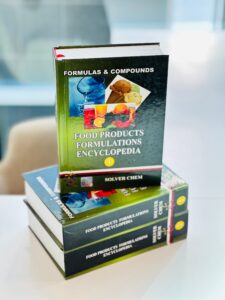
Discover professional food formulations in the Food Products Formulations Encyclopedia – 1, developed by a chemical engineer with over 40 years of experience.
What is Mastic Chewing Gum?
Mastic chewing gum is a natural gum product made from the resin of the mastic tree. It has been used for centuries due to its distinctive flavor, chewing properties, and potential benefits for oral health.
In modern formulations, mastic is combined with gum bases, sweeteners, and additives to create stable and commercially viable chewing gum products.
Sugar-Free Mastic Chewing Gum Formula (Example)
A typical industrial sugar-free chewing gum formulation may include:
- Gum base: 20–30%
- Mastic resin: 5–10%
- Sugar-free sweeteners (xylitol, sorbitol): 30–50%
- Softeners (glycerin): 2–5%
- Flavoring agents: small amounts
- Emulsifiers: small amounts
This formulation provides proper chewiness, sweetness, and flavor stability.
Ingredients and Their Functions
Each ingredient plays a specific role in the formulation:
- Gum base: provides structure and elasticity
- Mastic resin: delivers natural flavor and texture
- Sweeteners: replace sugar and add sweetness
- Softeners: improve chewability
- Flavoring agents: enhance taste
- Emulsifiers: improve consistency
Advanced ingredient selection and formulation strategies are detailed in the Food Products Formulations Encyclopedia – 1.
Industrial Production Process
The production of sugar-free chewing gum involves controlled steps:
1. Gum Base Preparation
The gum base is softened by heating.
2. Mixing
Mastic resin, sweeteners, and additives are mixed into the gum base.
3. Kneading
The mixture is kneaded until a uniform consistency is achieved.
4. Rolling and Shaping
The gum is rolled into sheets and cut into desired shapes.
5. Cooling
The product is cooled to stabilize texture.
6. Packaging
The final chewing gum is packaged for distribution.
Benefits of Sugar-Free Mastic Chewing Gum
- Reduces sugar intake
- Supports dental health
- Provides long-lasting flavor
- Natural ingredient appeal
- Improved chewing experience
Professional formulation techniques for functional food products can be explored in the Food Products Formulations Encyclopedia – 1.
Applications
Sugar-free mastic chewing gum is used in:
- Functional food products
- Oral care products
- Premium chewing gum markets
- Health-oriented food products
Formulation Tips
- Balance gum base and softeners carefully
- Use high-quality mastic resin
- Select suitable sugar-free sweeteners
- Control processing temperature
- Ensure uniform mixing
More advanced production techniques are available in the Food Products Formulations Encyclopedia – 1.
Safety and Handling
- Use food-grade raw materials
- Maintain hygienic production conditions
- Store ingredients properly
- Follow food safety regulations
Frequently Asked Questions (FAQ)
What is mastic chewing gum?
It is a natural chewing gum made from mastic resin.
How is sugar-free chewing gum made?
By combining gum base, sweeteners, and flavoring agents in controlled processes.
What sweeteners are used in sugar-free gum?
Common options include xylitol and sorbitol.
Is mastic gum healthy?
It is often used in products focused on oral health and natural ingredients.
Author
This content is prepared by a professional chemical engineer with over 40 years of formulation experience.
SUMMARY
Sugar-free mastic chewing gum is a modern food product that combines natural ingredients with advanced formulation techniques. By using gum base, mastic resin, and sugar-free sweeteners, manufacturers can produce high-quality chewing gum with excellent flavor, texture, and functionality.
Understanding formulation, ingredient selection, and production methods enables the development of premium chewing gum products suitable for today’s market.