Introduction
Laundry detergent is one of the most essential cleaning products used worldwide, both in households and industrial applications. While it may appear simple on the surface, producing an effective detergent requires a careful balance of ingredients, proper formulation techniques, and a clear understanding of how each component works.
Many people search for ways to make their own detergent, whether for small-scale production or to better understand how commercial products are developed. The process itself is not overly complicated, but achieving consistent quality and performance depends on using the right formulation approach.
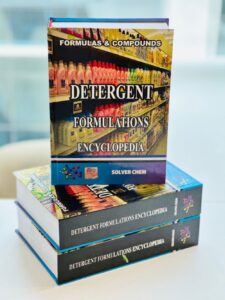
If you want to understand how real detergent formulations are developed and optimized for performance, this resource provides practical insights based on industry experience.
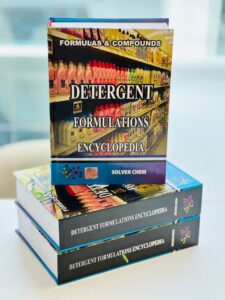
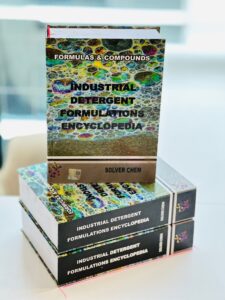
👉 DETERGENT FORMULATIONS ENCYCLOPEDIA
Understanding Laundry Detergent Formulation
A laundry detergent is not just a mixture of cleaning agents. It is a structured system where each ingredient has a defined role.
Typical formulations include:
- Surfactants for removing dirt and oils
- Builders to enhance cleaning efficiency
- Solvents and water (in liquid systems)
- Additives such as enzymes and fragrances
Even small changes in ingredient ratios can affect cleaning performance, stability, and user experience.
👉 For a more detailed breakdown of formulation systems, you can explore:
https://makingchembooks.com/how-to-make-liquid-laundry-detergent-formula/
How to Make Laundry Detergent (Basic Process)
The production process depends on whether the detergent is liquid or powder, but the general principles are similar.
Liquid Detergent Process
- Preparation of water phase
- Addition of surfactants
- Neutralization (if required)
- Incorporation of additives
- Viscosity adjustment
- Final mixing and homogenization
Liquid detergents require careful control of viscosity and stability.
Powder Detergent Process
- Measuring raw materials
- Dry mixing or slurry preparation
- Spray drying or blending
- Addition of heat-sensitive components
- Packaging
👉 You can explore a detailed production method here:
https://makingchembooks.com/liquid-laundry-detergent-manufacturing-process/
Key Ingredients in Laundry Detergent
The effectiveness of a detergent depends on the quality and balance of its ingredients.
Common components include:
- Anionic surfactants (such as LABSA or LAS)
- Nonionic surfactants
- Builders like sodium carbonate
- Enzymes for stain removal
- Optical brighteners
- Fragrance systems
👉 If you want to understand how these ingredients work together in real formulations, you can read:
https://makingchembooks.com/making-powder-detergent-and-methods/
Common Challenges in Detergent Production
Both beginners and experienced producers may face challenges such as:
- Poor cleaning performance
- Low viscosity (in liquid detergents)
- Powder clumping or instability
- Phase separation in liquid systems
These issues are usually caused by formulation imbalance rather than process errors.
Choosing the Right Approach
For beginners, starting with simple formulations can be useful for learning. However, for anyone planning to produce detergent commercially, using reliable and tested formulations is essential.
This approach helps:
- Reduce production risks
- Improve product consistency
- Save time and raw material costs
SUMMARY
Making laundry detergent involves more than just mixing ingredients. It requires an understanding of formulation balance, ingredient compatibility, and production techniques. While basic methods are accessible, achieving consistent and high-quality results depends on using well-developed formulations and structured production systems. For those looking to scale or improve performance, learning from real industrial formulations is the most effective path.