Types of Herbicides Used in Modern Agriculture
Herbicides are essential tools in modern agriculture, enabling farmers to control weeds efficiently and protect crop yields. As agricultural practices have evolved, different types of herbicides have been developed to address specific weed problems, environmental conditions, and crop requirements. Understanding the types of herbicides used in modern agriculture is crucial for selecting the most effective solution for weed management while ensuring crop safety and sustainability.
One of the most common classifications of herbicides is based on selectivity. Selective herbicides are designed to target specific weed species without harming crops. These herbicides are widely used in crops such as cereals, maize, and vegetables, where it is necessary to eliminate weeds while allowing the crop to grow normally. Non-selective herbicides, on the other hand, kill all types of vegetation and are typically used for land clearing, industrial weed control, or pre-planting applications.
Another important classification is based on how herbicides act within the plant. Systemic herbicides are absorbed by the plant and transported throughout its tissues, resulting in complete weed control, including roots. These herbicides are particularly effective against perennial weeds. In contrast, contact herbicides only affect the parts of the plant they come into direct contact with. While they act quickly, they may not provide long-term control if the root system remains intact.
Herbicides can also be categorized based on the timing of application. Pre-emergence herbicides are applied before weed seeds germinate and form a protective barrier in the soil that prevents weed growth. Post-emergence herbicides are applied after weeds have already emerged and are actively growing. Choosing the correct timing is essential for achieving optimal weed control.
Chemical classification is another key factor in herbicide types. Common active ingredients include glyphosate, 2,4-D, atrazine, and dicamba, each with a unique mode of action. These chemicals target specific biochemical processes within plants, such as amino acid synthesis or photosynthesis. Understanding these modes of action helps prevent resistance development and improves long-term weed management strategies.
In addition to chemical types, herbicides are available in various formulation forms, including emulsifiable concentrates (EC), suspension concentrates (SC), soluble liquids (SL), wettable powders (WP), and water-dispersible granules (WG). Each formulation type is designed to enhance the effectiveness, stability, and ease of application of the herbicide.
Modern agriculture increasingly focuses on sustainability, leading to the development of environmentally friendly herbicides with reduced toxicity and improved biodegradability. Integrated weed management strategies often combine different herbicide types with mechanical and biological control methods to achieve better results while minimizing environmental impact.
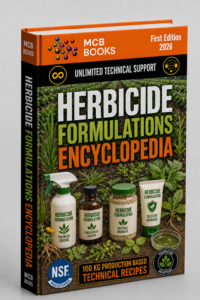
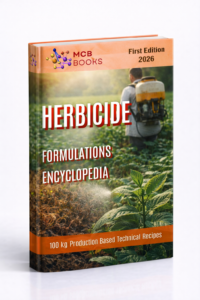
For professionals and manufacturers seeking advanced knowledge of herbicide formulations and production processes, the Herbicide Formulations Encyclopedia provides detailed insights into real industrial formulations, raw materials, and proven manufacturing techniques used in the agrochemical industry.
In conclusion, the types of herbicides used in modern agriculture vary widely depending on their selectivity, mode of action, application timing, and chemical composition. By understanding these categories, farmers and manufacturers can choose the most appropriate herbicide solutions to improve crop productivity and maintain sustainable agricultural practices.