What Is Chelated EDTA Zinc?
Chelated EDTA zinc is a form of zinc where the zinc ion (Zn²⁺) is chemically bound to EDTA (Ethylenediaminetetraacetic acid).
This chelation keeps zinc soluble, stable, and available for plants or technical applications.
It’s widely used in:
-
Agricultural fertilizers
-
Hydroponics
-
Foliar nutrient sprays
-
Micronutrient blends
⚙️ Key Properties of EDTA-Chelated Zinc
1️⃣ High Water Solubility
Zn-EDTA dissolves easily in water, forming a clear solution.
This makes it suitable for:
-
Liquid fertilizers
-
Fertigation systems
-
Foliar sprays
No precipitation under normal conditions.
2️⃣ Chelation Stability
EDTA forms a stable ring-like structure around Zn²⁺. This:
✔ Prevents zinc from reacting with soil components
✔ Reduces formation of insoluble zinc hydroxide or carbonate
✔ Keeps zinc available to plants longer
However, stability depends on pH (see below).
3️⃣ Effective pH Range
Zn-EDTA is most stable in the pH range:
pH 4 – 6.5
Above about pH 7, the chelate becomes less stable, and zinc may be displaced by calcium or precipitate as zinc hydroxide.
So it performs best in:
-
Slightly acidic soils
-
Hydroponic nutrient solutions within proper pH control
4️⃣ High Bioavailability
Chelation keeps zinc in a form that:
✔ Moves more easily in soil solution
✔ Is more readily absorbed by plant roots
✔ Is efficiently absorbed through leaves in foliar feeding
This makes Zn-EDTA more effective than many inorganic zinc salts in correcting zinc deficiency.
5️⃣ Compatibility in Liquid Formulations
Zn-EDTA is compatible with many:
-
NPK liquid fertilizers
-
Micronutrient blends
-
Foliar nutrient mixes
It remains soluble when mixed correctly, though compatibility still depends on pH and total salt concentration.
6️⃣ Prevention of Zinc Fixation in Soil
In soil, free Zn²⁺ can quickly become unavailable by binding to:
-
Carbonates (in alkaline soils)
-
Phosphates
-
Clay particles
Chelation reduces this fixation, keeping zinc in plant-available form for a longer period.
7️⃣ Low Risk of Leaf Burn (When Used Correctly)
Because zinc is chelated and more controlled in release:
✔ Lower risk of phytotoxicity compared to strong zinc salt solutions
✔ Suitable for foliar sprays at recommended rates
8️⃣ Chemical Composition
Typical commercial Zn-EDTA products contain:
-
12–15% Zn (common grade: 14% Zn)
-
EDTA as the chelating ligand
-
Usually supplied as a water-soluble powder or liquid
9️⃣ Color and Physical Form
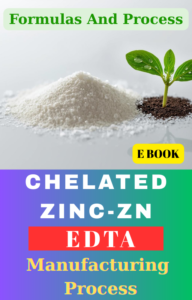
Zn-EDTA is usually:
-
White to off-white powder (solid form)
or -
Clear to slightly yellow liquid (solution form)
🔟 Mobility in Plants
Zinc from Zn-EDTA:
-
Is absorbed through roots or leaves
-
Moves moderately within the plant
-
Supports enzyme systems, growth hormones, and protein synthesis
🧠 In Simple Terms
EDTA-chelated zinc is valued because it is:
✔ Highly soluble
✔ Stable in mildly acidic conditions
✔ Easily absorbed by plants
✔ Less likely to get locked in soil
✔ Compatible with many fertilizer formulations