 Overview of Chemical Fertilizers
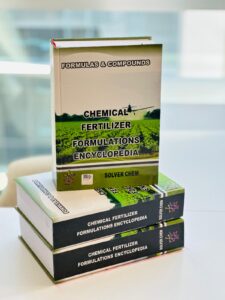
Chemical fertilizers are inorganic substances manufactured to supply essential nutrients required for plant growth and agricultural productivity. These fertilizers provide nutrients in readily available forms, allowing plants to absorb them efficiently through roots or leaves. Chemical fertilizers play a central role in modern agriculture by supporting crop yield, quality, and food security.
They are widely used in field crops, horticulture, orchards, greenhouses, and intensive farming systems.
Purpose of Using Chemical Fertilizers
Chemical fertilizers are used to:
-
Supply essential plant nutrients
-
Correct nutrient deficiencies in soil
-
Improve crop growth and yield
-
Maintain soil nutrient balance
-
Support intensive agricultural production
They complement natural soil fertility and organic nutrient sources.
Classification of Chemical Fertilizers
Chemical fertilizers are classified according to the nutrients they supply.
Primary Macronutrient Fertilizers
Primary macronutrient fertilizers supply nutrients required in large quantities.
Nitrogen Fertilizers
Nitrogen fertilizers support:
-
Vegetative growth
-
Leaf and shoot development
-
Chlorophyll formation
-
Protein synthesis
They are essential for rapid plant growth and biomass production.
Phosphorus Fertilizers
Phosphorus fertilizers are used to support:
-
Root development
-
Energy transfer
-
Flowering and fruit formation
-
Early plant establishment
They are particularly important during early growth stages.
Potassium Fertilizers
Potassium fertilizers contribute to:
-
Water regulation
-
Enzyme activation
-
Stress tolerance
-
Crop quality and yield
Potassium improves plant resilience and product quality.
Secondary Nutrient Fertilizers
Secondary nutrient fertilizers supply nutrients needed in moderate amounts.
Calcium Fertilizers
Calcium supports:
-
Cell wall strength
-
Structural stability
-
Fruit firmness
Magnesium Fertilizers
Magnesium is essential for:
-
Chlorophyll formation
-
Photosynthesis
-
Energy metabolism
Sulfur Fertilizers
Sulfur plays a role in:
-
Protein synthesis
-
Enzyme activity
-
Nitrogen utilization
Micronutrient Fertilizers
Micronutrient fertilizers supply trace elements required in small quantities.
Common micronutrients include:
-
Iron
-
Zinc
-
Manganese
-
Copper
-
Boron
-
Molybdenum
Although needed in small amounts, micronutrients are essential for normal plant metabolism.
Forms of Chemical Fertilizers
Chemical fertilizers are available in different physical forms.
Solid Fertilizers
Solid fertilizers include:
-
Granular fertilizers
-
Powder fertilizers
They are commonly used for soil application.
Liquid Fertilizers
Liquid fertilizers are:
-
Fully or partially water-soluble
-
Suitable for fertigation and foliar application
-
Easy to apply uniformly
Properties of Chemical Fertilizers
Solubility
Solubility determines how quickly nutrients dissolve in water and become available to plants. Highly soluble fertilizers provide rapid nutrient availability.
Nutrient Availability
Chemical fertilizers supply nutrients in plant-available forms, allowing fast uptake and quick crop response.
Nutrient Concentration
Chemical fertilizers often have high nutrient concentration, making them efficient for transport, storage, and application.
Mobility in Soil
Some nutrients move easily in soil, while others remain relatively fixed. Mobility affects fertilizer placement and timing.
Chemical Stability
Stability affects fertilizer shelf life, storage safety, and performance under different environmental conditions.
Interaction with Soil
Chemical fertilizers interact with soil properties such as pH, texture, and organic matter, influencing nutrient availability.
Advantages of Chemical Fertilizers
Chemical fertilizers offer several advantages:
-
Rapid nutrient availability
-
Predictable nutrient composition
-
High efficiency
-
Ease of application
-
Support for high-yield agriculture
They are essential in meeting global food demand.
Limitations of Chemical Fertilizers
Potential limitations include:
-
Risk of nutrient losses if mismanaged
-
Environmental impact from overuse
-
Possible soil degradation with long-term imbalance
Proper management is essential to minimize these risks.
Role of Chemical Fertilizers in Sustainable Agriculture
When used responsibly, chemical fertilizers:
-
Improve nutrient use efficiency
-
Support balanced plant nutrition
-
Complement organic fertilization
-
Help maintain soil fertility
Integrated nutrient management improves sustainability.
Summary
Chemical fertilizers are inorganic nutrient sources designed to supply essential macronutrients, secondary nutrients, and micronutrients for plant growth. They are classified based on nutrient content and available in solid and liquid forms. Key properties such as solubility, nutrient availability, concentration, mobility, and stability determine their effectiveness. When applied with proper timing and management, chemical fertilizers significantly enhance crop productivity and play a vital role in modern and sustainable agricultural systems.