Introduction
NPK 20-20-20 fertilizer is one of the most widely used balanced fertilizers in modern agriculture. It contains equal proportions of nitrogen, phosphorus, and potassium, which are essential nutrients for plant growth and crop productivity.
This fertilizer formulation is commonly used for vegetables, fruits, field crops, and greenhouse cultivation. Balanced fertilizers such as NPK 20-20-20 support healthy plant development, root growth, and improved crop yield.
The general manufacturing stages of fertilizer production are explained in the NPK Fertilizer Production Process guide, while the chemical materials used in fertilizer production are described in Raw Materials Used in NPK Fertilizer Production.
Understanding how to make NPK 20-20-20 fertilizer requires knowledge of fertilizer formulas, raw materials, and fertilizer production technologies.

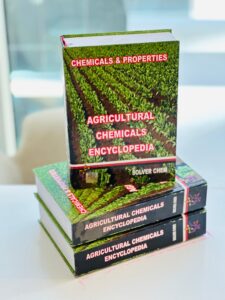
Detailed industrial fertilizer formulations and fertilizer production technologies are explained in the Chemical Fertilizers Formulations Encyclopedia.
NPK 20-20-20 Fertilizer Formula
NPK 20-20-20 fertilizer contains equal proportions of the three primary plant nutrients.
Typical nutrient composition:
-
Nitrogen (N): 20%
-
Phosphorus (P₂O₅): 20%
-
Potassium (K₂O): 20%
Balanced fertilizers such as NPK 20-20-20 are commonly used in fertigation systems and foliar fertilizer applications.
Raw Materials Used in NPK 20-20-20 Fertilizer
Several chemical materials can be used to produce this fertilizer formulation.
Common nitrogen sources:
-
Urea
-
Ammonium nitrate
-
Ammonium sulfate
Common phosphorus sources:
-
Monoammonium phosphate (MAP)
-
Diammonium phosphate (DAP)
-
Phosphoric acid
Common potassium sources:
-
Potassium chloride (MOP)
-
Potassium sulfate (SOP)
-
Potassium nitrate
These raw materials are selected based on nutrient concentration and fertilizer production technology.
Production Process of NPK 20-20-20 Fertilizer
The production of balanced fertilizers such as NPK 20-20-20 generally involves several industrial manufacturing stages.
Raw Material Preparation
Raw materials are stored, measured, and prepared for processing using industrial weighing systems.
Mixing and Blending
The selected nutrient sources are mixed using fertilizer mixers to ensure uniform nutrient distribution.
Granulation or Dissolution
Depending on fertilizer type, production may involve:
-
granulation for solid fertilizers
-
dissolution for liquid fertilizers
Granulation processes are explained in the Granular NPK Fertilizer Production Process guide.
Liquid fertilizer technologies are described in the Liquid NPK Fertilizer Production Process guide.
Drying and Cooling
Granular fertilizers are dried to reduce moisture content and then cooled to stabilize fertilizer granules.
Screening and Packaging
Finished fertilizers are screened according to particle size and packaged for agricultural distribution.
Factors Affecting Fertilizer Quality
The quality of NPK fertilizers depends on several production parameters.
Important factors include:
-
raw material purity
-
mixing efficiency
-
moisture control
-
granulation conditions
-
storage conditions
Proper control of these parameters ensures consistent fertilizer quality and nutrient stability.
Industrial Fertilizer Formulations Guide
Detailed fertilizer formulations and fertilizer production technologies are explained in the Chemical Fertilizers Formulations Encyclopedia. This professional guide provides practical information about fertilizer formulation development and industrial fertilizer manufacturing.
SUMMARY
NPK 20-20-20 fertilizer is a balanced fertilizer widely used in agriculture due to its equal nitrogen, phosphorus, and potassium content. The production process involves raw material preparation, mixing, granulation or dissolution, drying, cooling, and packaging. Proper formulation and production control ensure high-quality fertilizers suitable for agricultural applications.
Related Articles
• NPK Fertilizer Production Process
• Raw Materials Used in NPK Fertilizer Production
• NPK Fertilizer Production Equipment
• Granular NPK Fertilizer Production Process
• Liquid NPK Fertilizer Production Process