Introduction
The production of NPK fertilizers on an industrial scale requires specialized equipment designed for handling chemical raw materials, mixing nutrients, granulating fertilizers, and packaging finished products. Modern fertilizer plants rely on advanced machinery to ensure consistent nutrient composition, efficient production processes, and high product quality.
Industrial NPK fertilizer production involves several processing stages including raw material preparation, mixing, granulation, drying, cooling, screening, and packaging. The types of chemical materials used in fertilizer manufacturing are explained in detail in the Raw Materials Used in NPK Fertilizer Production guide. Each stage requires specific equipment that ensures efficient manufacturing and stable fertilizer formulations.
The general production process is explained in detail in the NPK Fertilizer Production Process guide.
Raw Material Handling Equipment
Before fertilizer production begins, raw materials such as nitrogen, phosphorus, and potassium sources must be properly stored and handled. Fertilizer plants use specialized equipment to transport and prepare these materials for processing.
Common raw material handling equipment includes:
-
Storage silos for bulk fertilizers
-
Conveyor belt systems
-
Bucket elevators
-
Automatic weighing systems
-
Raw material feeders
These systems ensure accurate dosing and continuous material flow throughout the fertilizer production process.
Mixing and Blending Equipment
Mixing equipment is essential for achieving uniform nutrient distribution in NPK fertilizers. The purpose of mixing machinery is to combine nitrogen, phosphorus, and potassium sources in the correct proportions.
Common mixing equipment used in fertilizer plants includes:
-
Horizontal fertilizer mixers
-
Vertical blending mixers
-
Double-shaft paddle mixers
-
Rotary drum mixers
Proper mixing ensures that every fertilizer granule contains the correct nutrient composition required for agricultural applications.
Granulation Equipment
Granulation is one of the most important stages in NPK fertilizer production. During this process, powdered raw materials are converted into uniform fertilizer granules that are easier to handle, store, and apply in agricultural fields.
Common granulation equipment includes:
-
Rotary drum granulators
-
Disc granulators (pan granulators)
-
Fluidized bed granulators
Granulation improves fertilizer stability and prevents dust formation during handling and transportation.
Drying and Cooling Equipment
After granulation, fertilizer granules contain moisture that must be removed to improve product stability and shelf life. Industrial fertilizer plants use drying and cooling equipment to achieve the desired moisture content.
Typical equipment used in this stage includes:
-
Rotary dryers
-
Fluidized bed dryers
-
Rotary coolers
-
Air cooling systems
These machines help maintain the physical integrity of fertilizer granules.
Screening and Classification Equipment
Screening equipment is used to separate fertilizer granules according to size. Uniform particle size is important for fertilizer quality and application efficiency.
Common screening equipment includes:
-
Vibrating screens
-
Rotary screens
-
Fertilizer classifiers
Oversized particles are usually crushed and returned to the granulation process, while undersized particles are recycled back into the production system.
Packaging Equipment
The final stage of fertilizer production involves packaging the finished NPK fertilizer products for distribution and sale.
Typical packaging equipment includes:
-
Automatic fertilizer bagging machines
-
Weighing and filling systems
-
Bag sealing machines
-
Palletizing equipment
Efficient packaging systems improve production speed and ensure consistent product packaging.
Industrial Fertilizer Formulations Guide
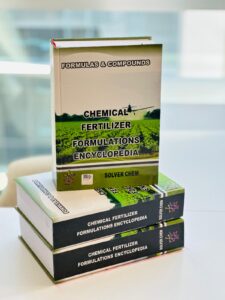
Detailed industrial fertilizer formulations, raw material combinations, and production techniques can be found in the Chemical Fertilizers Formulations Encyclopedia. This professional guide explains practical fertilizer production methods used in modern fertilizer manufacturing.
SUMMARY
Industrial NPK fertilizer production requires a wide range of specialized equipment designed for raw material handling, mixing, granulation, drying, cooling, screening, and packaging. Each stage of the fertilizer manufacturing process plays a critical role in ensuring product quality and nutrient consistency. Modern fertilizer plants rely on advanced machinery and optimized production technologies to manufacture high-quality NPK fertilizers suitable for agricultural applications.