 What Are Micronutrient Fertilizers? Formulations and Production Explained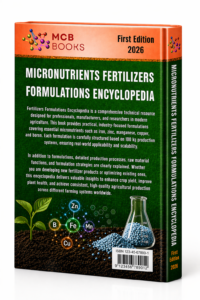
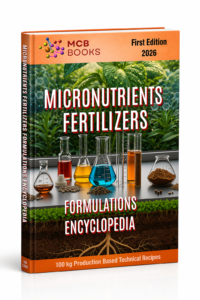
Micronutrient fertilizers are specialized agricultural products designed to supply essential trace elements that plants need in small but critical amounts. While macronutrients such as nitrogen, phosphorus, and potassium are required in larger quantities, micronutrients like iron (Fe), zinc (Zn), manganese (Mn), copper (Cu), boron (B), and molybdenum (Mo) are equally important for plant growth, metabolism, and overall productivity. Understanding what micronutrient fertilizers are, how they are formulated, and how they are produced is essential for manufacturers, agronomists, and anyone involved in modern agriculture.
Micronutrient fertilizers are used to correct nutrient deficiencies in soil and plants, which can lead to poor growth, reduced yields, and lower crop quality. These deficiencies are common in soils with high pH levels, low organic matter, or intensive farming practices. By supplying the necessary trace elements in an available form, micronutrient fertilizers help improve plant health, enhance photosynthesis, and support enzymatic functions.
The formulation of micronutrient fertilizers is a critical process that determines their effectiveness. These fertilizers can be produced in different forms, including liquid solutions, water-soluble powders, suspension concentrates, and granules. Each formulation type is designed for specific application methods such as foliar spraying, fertigation, or soil application. A well-designed formulation ensures that micronutrients remain stable, soluble, and readily available for plant uptake.
One of the most important aspects of micronutrient fertilizer formulations is the use of chelation technology. Chelated micronutrients, such as those based on EDTA, DTPA, and EDDHA, protect nutrient ions from reacting with soil components that can make them unavailable to plants. This is particularly important in alkaline soils, where micronutrients tend to become insoluble. Chelation improves nutrient stability and enhances absorption efficiency, making fertilizers more effective.
The production of micronutrient fertilizers involves several key steps, starting with the selection of high-quality raw materials. These materials include micronutrient salts, chelating agents, stabilizers, and other additives that improve performance. In liquid fertilizer production, raw materials are dissolved in water under controlled conditions, with careful attention to pH and mixing order to ensure stability. For powder and granular fertilizers, precise blending, particle size control, and moisture management are essential to achieve consistent quality and easy application.
Quality control is a vital part of the production process. Each batch of fertilizer must be tested to ensure it meets required specifications for nutrient content, solubility, and physical properties. Parameters such as pH, clarity, and stability are carefully monitored to guarantee product performance. Proper packaging and storage conditions also play a role in maintaining the effectiveness of micronutrient fertilizers over time.
Micronutrient fertilizers are widely used in various agricultural systems, including field crops, horticulture, and greenhouse production. Their ability to improve nutrient efficiency and crop performance makes them an important tool for sustainable agriculture. As farmers increasingly focus on optimizing plant nutrition, the demand for high-quality micronutrient fertilizers continues to grow.
In conclusion, micronutrient fertilizers are essential for modern farming, providing critical nutrients that support plant growth and productivity. Through advanced formulations and precise production techniques, these fertilizers deliver effective and reliable results. The Formulations and Production Explained approach offers valuable insights into how these products are developed and manufactured, making it an important resource for professionals in the agricultural industry.