 Best Micronutrient Fertilizer Formulations for Agriculture and Industry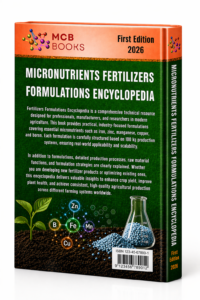
Micronutrient fertilizers are essential for achieving high agricultural productivity and maintaining soil health in both traditional and modern farming systems. Although required in small quantities, micronutrients such as iron (Fe), zinc (Zn), manganese (Mn), copper (Cu), boron (B), and molybdenum (Mo) play critical roles in plant metabolism, enzyme activation, and crop quality. The selection of the best micronutrient fertilizer formulations is crucial for ensuring efficient nutrient delivery and maximizing performance in both agricultural and industrial applications.
The best micronutrient fertilizer formulations are those that provide high solubility, stability, and compatibility with different application methods. These formulations are typically available in liquid, water-soluble powder, suspension concentrate, and granular forms. Each type is designed to meet specific needs, whether for foliar spraying, fertigation systems, or direct soil application. Liquid formulations are widely preferred for their rapid absorption and ease of use, while powder and granular forms offer advantages in storage, transportation, and controlled release.
One of the defining characteristics of high-quality micronutrient fertilizers is the use of chelation technology. Chelated micronutrients, such as EDTA, DTPA, and EDDHA complexes, enhance nutrient availability by protecting them from chemical reactions in the soil that can render them unavailable to plants. This is particularly important in alkaline soils, where micronutrient deficiencies are more common. The best formulations incorporate the right type and concentration of chelating agents to ensure maximum nutrient uptake and efficiency.
In agricultural applications, micronutrient fertilizers are used to correct deficiencies, improve crop yield, and enhance product quality. For example, zinc formulations are commonly used to support plant growth and development, while iron formulations help prevent chlorosis and improve photosynthesis. In industrial applications, these fertilizers are produced at scale using optimized manufacturing processes that ensure consistent quality and performance. This requires precise control of raw materials, mixing conditions, and quality assurance procedures.
The production of high-quality micronutrient fertilizer formulations involves several critical steps. Raw material selection is the foundation of any successful formulation, as the purity and compatibility of ingredients directly affect the final product. In liquid formulations, careful control of pH and mixing order is essential to maintain stability and prevent precipitation. For powder formulations, uniform particle size and low moisture content are key to ensuring easy dissolution and consistent nutrient delivery. Granular formulations are produced using advanced techniques such as granulation and drying, which improve handling and application efficiency.
Quality control is another important factor in determining the effectiveness of micronutrient fertilizers. Manufacturers must conduct tests to verify nutrient content, solubility, pH, and overall product stability. These tests ensure that the fertilizer meets industry standards and performs reliably under different conditions. Proper packaging and storage also contribute to maintaining product quality over time.
With the increasing demand for sustainable and high-efficiency fertilizers, the importance of selecting the best micronutrient formulations continues to grow. Farmers and agricultural professionals are seeking solutions that deliver precise nutrition and improve crop performance while minimizing environmental impact. By using advanced formulations and modern production techniques, manufacturers can meet these demands and remain competitive in the global market.
In conclusion, the Best Micronutrient Fertilizer Formulations for Agriculture and Industry highlights the importance of formulation quality, production precision, and application efficiency. By focusing on these factors, manufacturers can develop high-performance fertilizers that support agricultural success and industrial growth.