Calcium Nitrate Fertilizer Formulations and Production Process
Calcium nitrate fertilizer is one of the most widely used calcium-based fertilizers in modern agriculture, known for its high solubility, rapid nutrient availability, and dual supply of calcium and nitrogen. This combination makes it particularly valuable for improving plant structure, enhancing crop quality, and supporting strong vegetative growth. The Calcium Nitrate Fertilizer Formulations and Production Process provides a comprehensive overview of how this fertilizer is formulated and manufactured for commercial agricultural use.
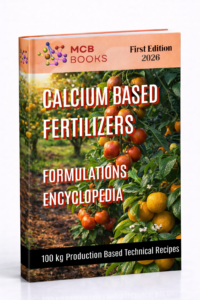
Calcium nitrate is primarily used in fertigation systems and foliar applications due to its ability to dissolve quickly in water and deliver nutrients directly to plants. It plays a key role in preventing physiological disorders such as blossom end rot in tomatoes and peppers, as well as improving fruit firmness and shelf life. The nitrogen component, in nitrate form, is readily absorbed by plants, promoting rapid growth and development.
Formulating calcium nitrate fertilizers begins with selecting high-quality raw materials. The main component is calcium nitrate tetrahydrate, which is chosen for its purity and solubility. In some formulations, additional micronutrients or stabilizers may be included to enhance performance. For example, magnesium, boron, or zinc can be added to create multi-nutrient blends tailored to specific crop requirements. The formulation must ensure compatibility between all components to prevent precipitation and maintain stability.
Calcium nitrate fertilizers are commonly produced in liquid and water-soluble powder forms. Liquid formulations are prepared by dissolving calcium nitrate in water under controlled conditions. Maintaining the correct pH level is critical to ensure stability and prevent unwanted reactions. Stabilizers and buffering agents may be used to maintain clarity and extend shelf life. Proper mixing and filtration processes ensure a homogeneous and high-quality product.
Water-soluble powder formulations are also widely used due to their ease of storage and transportation. These products are manufactured through controlled crystallization and drying processes, resulting in uniform granules or flakes that dissolve rapidly in water. Controlling moisture content and particle size distribution is essential to ensure product stability and consistent performance.
The production process of calcium nitrate fertilizer involves several key steps. First, raw materials are carefully weighed and prepared. In industrial production, calcium nitrate is often produced by reacting nitric acid with limestone or other calcium-containing materials. The resulting solution is then purified and concentrated. For liquid fertilizers, the solution is adjusted to the desired concentration and stabilized. For solid products, the solution undergoes crystallization, drying, and granulation processes to produce a stable and easy-to-handle product.
Quality control is a critical part of the production process. Parameters such as nutrient concentration, pH, solubility, and physical properties must be carefully monitored to ensure product consistency and performance. Proper packaging and storage conditions are also important to prevent moisture absorption and maintain product quality.
One of the main advantages of calcium nitrate fertilizer is its versatility. It can be used in a wide range of crops, including fruits, vegetables, and greenhouse plants. Its high solubility makes it ideal for precision agriculture systems, where accurate nutrient delivery is essential.
With increasing demand for high-quality agricultural products, calcium nitrate fertilizers are becoming more important than ever. Farmers rely on these fertilizers to improve crop yield, enhance quality, and reduce post-harvest losses. For manufacturers, developing efficient formulations and optimizing production processes are key to meeting market demand.
In conclusion, calcium nitrate fertilizer is a highly effective and versatile product in modern agriculture. By understanding its formulation and production process, manufacturers can develop high-quality fertilizers that deliver consistent results and support sustainable crop production.