An SL formulation is a soluble liquid concentrate used in agriculture, especially in herbicide and pesticide products. These formulations are produced by combining the required raw materials in the correct proportions so that the active ingredient remains dissolved and the final product can be diluted with water before application.
For small, medium or large-scale production, the process generally starts with selecting the right raw materials, preparing a suitable formulation and using appropriate mixing equipment. The manufacturing itself is usually based on controlled mixing, but the quality of the finished product depends heavily on using the correct ingredients, quantities and production order.
A reliable SL formulation is therefore essential. It helps determine which chemicals should be used, how much of each material is required and how the components should be combined to obtain a stable and usable herbicide concentrate.
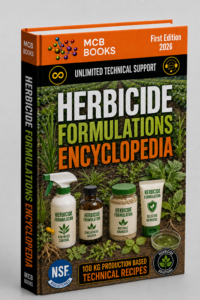
Looking for more detailed herbicide formulations? Explore the Herbicide Formulations Encyclopedia for practical formulation examples, raw material guidance and production information covering different herbicide systems, including soluble liquid concentrates and other common formulation types.
What Does SL Mean in Herbicides?
In herbicide products, SL stands for Soluble Liquid or Soluble Concentrate, depending on the terminology used. It describes a formulation in which the active ingredient is dissolved in a suitable liquid system and remains in solution.
An SL formulation is usually diluted with water before application. Because the active ingredient is already dissolved, the product can be easy to handle and mix when the formulation has been prepared correctly.
What Is a Soluble Concentrate Formulation?
A soluble concentrate is different from suspension-type products because the active ingredient is dissolved rather than dispersed as solid particles.
The formulation normally includes the active ingredient, a solvent or water phase, and other supporting ingredients needed for stability and product performance. The exact composition depends on the herbicide chemistry and the intended use of the final product.
How Is an SL Formulation Prepared?
The production process usually starts with the correct formulation and raw material selection. The ingredients are then added in a controlled order and mixed until the product becomes uniform.
Good mixing is important, but the formulation itself is just as important. If the raw materials are not compatible or the quantities are incorrect, the product may become unstable or fail to perform as expected.
For this reason, a practical SL formulation should be based on suitable raw materials, correct proportions and a clear production method.
Common Components of an SL Formulation
Depending on the herbicide, a soluble liquid concentrate may contain:
- active ingredient
- water or a suitable solvent system
- solubilizing agents
- surfactants
- pH adjusters
- stabilizers
- preservatives where needed
Not every formulation uses the same materials. The final ingredient system depends on the active substance and the target product.
Explore More Herbicide and Pesticide Manufacturing Resources
If you are working with herbicides, insecticides, fungicides or biological crop protection products, you can also explore our
Chemical Pesticide and Bio Pesticide Manufacturing Books category
for more formulation and production resources.
Link Chemical Pesticide and Bio Pesticide Manufacturing Books to:
https://makingchembooks.com/product-category/chemical-pesticide-bio-pesticide-books/
Summary
An SL formulation is a liquid herbicide formulation in which the active ingredient is kept in solution. Its quality depends on using compatible raw materials, correct quantities and a well-controlled mixing process.
The key point is that SL is a formulation type, not a chemical name. A successful soluble concentrate should remain stable, mix well with water and be suitable for the intended agricultural application.
For manufacturers and formulators, understanding the formulation structure is the first step toward producing a reliable soluble liquid concentrate.