Liquid fertilizer systems require stable micronutrient combinations to maintain product quality and nutrient performance during storage and application. Zn-EDTA Compatibility is especially important in liquid NPK fertilizers because zinc stability can directly affect formulation clarity, nutrient availability and long-term product performance in professional fertilizer production.
Zn-EDTA Compatibility also plays an important role in preventing precipitation and maintaining balanced micronutrient distribution in liquid fertilizer systems. Proper formulation design helps improve nutrient stability while supporting more reliable fertilizer performance in foliar applications, drip irrigation systems and modern agricultural nutrition programs.

💥 DEVELOP PROFESSIONAL NPK AND MICRONUTRIENT FERTILIZER SYSTEMS
The
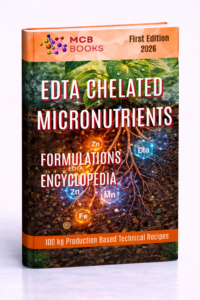
EDTA CHELATED MICRONUTRIENTS FORMULATIONS ENCYCLOPEDIA
and
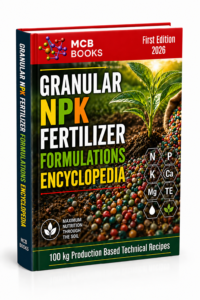
GRANULAR NPK FERTILIZER FORMULATIONS ENCYCLOPEDIA
include advanced fertilizer formulation technologies for commercial production.
✔ Liquid and granular fertilizer systems
✔ Zinc EDTA and micronutrient formulations
✔ Industrial NPK production methods
✔ 100 kg production-based professional recipes
✔ Real raw materials and manufacturing processes
👉 Start developing high-performance fertilizer products for modern agriculture today.
WHY Zn-EDTA COMPATIBILITY IS IMPORTANT IN LIQUID FERTILIZERS
Liquid fertilizer formulations require balanced nutrient systems that remain stable during storage, transportation and field application. Zn-EDTA Compatibility is important because unstable zinc systems can lead to precipitation, sediment formation and reduced micronutrient availability in liquid NPK fertilizers. Proper compatibility helps maintain fertilizer quality and improves nutrient performance throughout the product lifecycle.
Zn-EDTA IN LIQUID NPK FORMULATION SYSTEMS
Zn-EDTA is commonly used in liquid NPK fertilizers because the chelated structure helps protect zinc from reacting with phosphates and other fertilizer components. This stability allows micronutrients to remain available in the solution for longer periods. In professional fertilizer manufacturing, compatible Zn-EDTA systems help improve formulation clarity, nutrient distribution and storage stability.
You can also read our detailed article about
Chelated Zinc EDTA Benefits and Agricultural Fertilizer Applications
https://makingchembooks.com/features-and-benefits-of-chelated-zinc-edta/
STABILITY AND STORAGE PERFORMANCE
One of the biggest challenges in liquid fertilizer production is maintaining long-term formulation stability. Zn-EDTA Compatibility helps reduce precipitation risks and supports more reliable storage performance in concentrated fertilizer systems. Stable liquid fertilizers are easier to apply, easier to transport and more consistent in agricultural applications.
APPLICATION AREAS OF Zn-EDTA LIQUID FERTILIZERS
Liquid fertilizers containing Zn-EDTA are widely used in foliar fertilizers, drip irrigation systems and greenhouse nutrition programs. These systems are preferred in modern agriculture because they help improve zinc availability while supporting balanced crop nutrition. Stable zinc formulations can also help improve chlorophyll formation, leaf development and overall plant performance.
You can also read our detailed guide about
EDTA Chelated Zinc Efficiency in Modern Fertilizer Applications
https://makingchembooks.com/properties-of-edta-chelated-zinc-efficiency/
WHY PROFESSIONAL FORMULATION DESIGN MATTERS
Producing stable liquid fertilizer systems requires more than simply mixing nutrients together. Factors such as pH balance, raw material selection, chelation quality and micronutrient interactions all affect final product stability. Professional formulation design helps manufacturers develop fertilizers with better storage stability, nutrient efficiency and commercial performance.
SUMMARY
Zn-EDTA Compatibility plays an important role in liquid NPK fertilizer production because it directly affects formulation stability, micronutrient availability and overall product performance. Properly designed Zn-EDTA systems help reduce precipitation problems while supporting more efficient nutrient delivery in modern agricultural applications. As demand for high-performance liquid fertilizers continues to grow, stable Zn-EDTA formulations remain an important part of professional fertilizer manufacturing systems.