Introduction
Antifreeze coolants are essential automotive fluids designed to regulate engine temperature, prevent freezing in cold conditions, and protect engine components from corrosion.
While many consider antifreeze a simple mixture, developing a reliable and high-performance formulation requires careful balance. The product must provide thermal stability, corrosion protection, and long-term durability under varying operating conditions.
In real production, antifreeze formulations are not developed in isolation. They are part of a broader automotive fluid system, working alongside lubricating oils and other maintenance products.
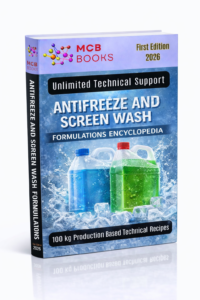
👉 This type of formulation approach is typically included in professional resources such as the Antifreeze and Screen Wash Formulations Encyclopedia, where cooling fluids are developed for real manufacturing environments.
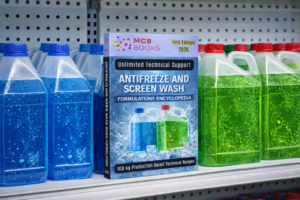
Includes coolant formulations, screen wash systems, and automotive fluid production methods.
ANTIFREEZE AND SCREEN WASH FORMULATIONS ENCYCLOPEDIA
What is an Antifreeze Coolant?
An antifreeze coolant is a specially formulated liquid that circulates through the engine cooling system to maintain optimal operating temperature.
Its main functions include:
- preventing freezing in low temperatures
- preventing overheating in high temperatures
- protecting metal components from corrosion
- improving heat transfer efficiency
Typical formulations are based on glycol systems combined with corrosion inhibitors and stabilizing additives.
Key Components in Coolant Formulation
A standard antifreeze formulation includes several critical components:
- Ethylene glycol or propylene glycol: base fluid providing freeze and boil protection
- Corrosion inhibitors: protect metals such as aluminum, iron, and copper
- Water (deionized): supports heat transfer
- Additives: control pH, stabilize formulation, and improve performance
The formulation must remain stable over long periods and under extreme temperature conditions.
Connection with Lubricating Systems
Cooling systems do not operate independently from other engine fluids.
In real automotive applications, antifreeze works closely with lubricating oils, as both systems must protect engine components under thermal stress.
👉 This is why manufacturers often develop coolant formulations alongside lubrication systems.
👉 LUBRICATING OIL FORMULATIONS ENCYCLOPEDIA
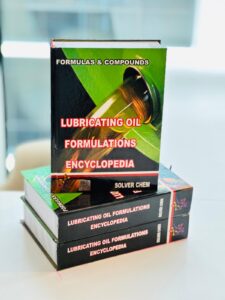
Develop compatible lubrication and cooling systems for complete engine protection.
Integration with Automotive Care Products
In addition to engine fluids, a complete automotive product line includes cleaning and maintenance products.
These include:
- radiator cleaners
- surface cleaning products
- maintenance solutions
👉 This creates a full automotive maintenance system rather than isolated products.
👉 AUTO CARE PRODUCTS FORMULATIONS ENCYCLOPEDIA
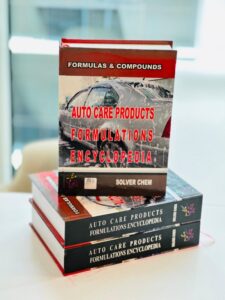
Expand your production into cleaning and maintenance products for a complete product range.
Industrial Production Process
Antifreeze production typically involves controlled mixing of glycol, water, and additive packages.
The process requires:
- accurate raw material ratios
- proper mixing sequence
- quality control for pH and stability
A well-formulated coolant must remain stable over time and maintain performance under different environmental conditions.
From Single Fluid to Complete System
Professional manufacturers do not focus on a single product.
Instead, they develop:
- cooling fluids
- lubricating systems
- maintenance products
👉 Together, these create a complete automotive fluid and care system.
SUMMARY
Antifreeze coolant formulations are a critical part of automotive fluid systems.
In professional production, these products are developed alongside lubricating oils and automotive care products to ensure compatibility, stability, and long-term performance.
The Antifreeze and Screen Wash Formulations Encyclopedia provides a structured approach to developing these formulations. When combined with lubrication and maintenance systems, it becomes possible to build a complete and scalable automotive product line.
👉 Instead of producing a single fluid, this approach allows you to develop a full automotive system for industrial production.
Related Articles
If you are interested in building a complete automotive fluid and maintenance system:
👉 Car Care Products Formulation System (Complete Automotive Chemical Production Guide)
This guide explains how automotive cleaning, maintenance, and fluid systems work together in real production environments.
Build a Complete Automotive Product Line
If your goal is to produce antifreeze and expand into a full automotive fluid system, working with structured formulation systems is essential.