✅ Chemical & Physical Properties
-
Common Name: Dodine
-
IUPAC Name:Dodecylguanidinium acetate
-
Chemical Group: Guanidines
-
CAS Number: 2439-10-3
-
Molecular Formula: C₁₅H₃₂N₄O₂
-
Appearance: White/off-white crystalline solid (in pure form)
-
Solubility: Moderately soluble in water; high solubility in organic solvents
-
Mode of Action:
-
Interferes with fungal cell membranes
-
Disrupts mitochondrial function
-
Provides strong protective and early-curative action
-
-
Stability: Stable under normal storage conditions
-
Formulations:
-
65% WP (Wettable Powder)
-
40–50% SL (Soluble Liquid)
-
Emulsifiable formulations in some regions
-
✅ Key Biological Properties
-
Contact + locally systemic activity
-
Strong protective activity
-
Some curative effect when applied early
-
Good rainfastness after drying
-
Effective at low concentrations
-
Low phytotoxicity for labeled crops
🚜 Applications & Crop Uses
Dodine is used primarily in fruit orchards and specific nut crops, where it is highly effective against fungal pathogens.
🍎 1. Pome Fruits (Apple, Pear)
Major use worldwide.
Controls:
-
Apple scab (Venturia inaequalis)
-
Pear scab
-
Sooty blotch
-
Flyspeck
-
Leaf spot diseases
Dodine is often applied:
-
Early season (green tip to petal fall)
-
As part of a seasonal spray program
🍑 2. Stone Fruits (Peach, Cherry, Apricot, Plum)
Controls:
-
Blossom blight (Monilinia spp.)
-
Leaf spot
-
Brown rot (as part of integrated control)
🌳 3. Nut Crops
Especially pecan.
Controls:
-
Pecan scab
-
Leaf spot / blight diseases
🍓 4. Berries and Small Fruits
Used in some countries for:
-
Strawberry leaf spot
-
Blueberry leaf spot diseases
🟢 5. Ornamental Plants
Controls:
-
Leaf spot diseases
-
Nursery fungal problems
-
Early-season blights
💡Benefits
-
Strong activity against scab diseases
-
Good persistence
-
Rainfast protection
-
Works well at low dosage rates
-
Useful in fungicide rotation / resistance management
🧪 Mode of Application
Dodine is typically applied through:
-
Ground sprayers
-
Airblast sprayers (orchards)
-
Aerial application (some regions)
Summary
Dodine fungicide is used in crop protection programs for the control of fungal diseases, particularly in fruit and orchard applications. It is generally applied to plant surfaces and is known for its protective action together with local systemic activity.
The way dodine is used depends on the crop, disease pressure, formulation type and application program. For this reason, commercial use should always follow the relevant product label and local agricultural regulations.
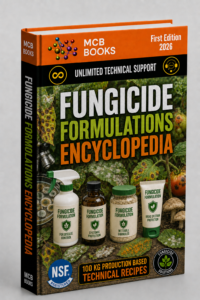
For manufacturers and formulators who want to work with a wider range of fungicide products,
the
Fungicide Formulations Encyclopedia
provides additional formulation and production references for different agricultural fungicide systems.
If you want, we can also place your Chemical Pesticide and Bio Pesticide Manufacturing Books category under this summary; for this article that would make the sales path even stronger.