Introduction
Fabric softeners are essential products in the detergent industry that improve the softness, fragrance, and overall feel of fabrics after washing. These products work by depositing conditioning agents on textile fibers during the rinse cycle, reducing friction and static electricity while enhancing fabric comfort.
Modern fabric softener formulations typically rely on cationic surfactants, which have a natural affinity for negatively charged textile fibers. When applied during the rinse stage, these ingredients create a thin lubricating layer on the fabric surface that improves softness and reduces wrinkling.
Industrial manufacturers produce fabric softeners in various forms, including standard liquid softeners, concentrated formulations, and silicone-enhanced products. The formulation process requires careful control of raw materials, mixing conditions, and stability parameters to ensure consistent product quality.
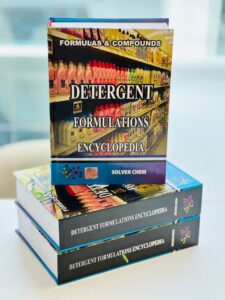
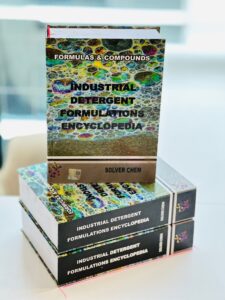
Detailed industrial fabric softener formulations and production guidance can also be found in the Detergent Formulations Encyclopedia, a comprehensive reference guide for detergent manufacturers, chemists, and entrepreneurs in the cleaning products industry.
Raw Materials Used in Fabric Softener Formulations
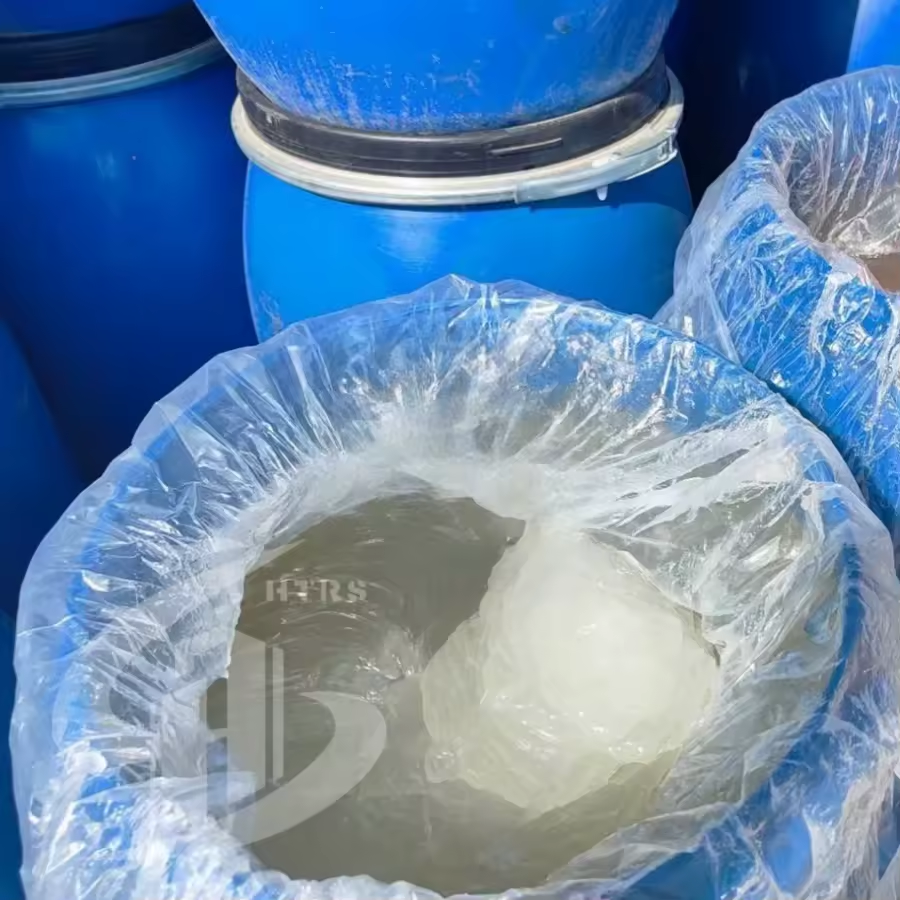
The effectiveness of a fabric softener formulation depends largely on the correct selection of conditioning agents and stabilizing ingredients.
Common raw materials include:
-
Cationic surfactants such as esterquats or quaternary ammonium compounds
-
Fatty acids and fatty alcohol derivatives
-
Silicone emulsions for enhanced softness
-
Fragrance oils for scent enhancement
-
Preservatives to prevent microbial growth
-
Colorants for product appearance
-
Water as the primary solvent
Among these ingredients, cationic surfactants play the most important role because they bond to textile fibers and create the softening effect.
For more details on ingredients used in detergent products, see our article on raw materials used in fabric softener formulations.
Fabric Softener Manufacturing Process
The industrial production of liquid fabric softeners involves a controlled mixing and emulsification process designed to maintain product stability.
Typical manufacturing steps include:
-
Water Preparation
Softened or deionized water is added to a stainless steel mixing tank. -
Heating Stage
The mixture may be heated to approximately 40–60°C to facilitate emulsification. -
Addition of Conditioning Agents
Cationic surfactants are slowly introduced into the mixture. -
Incorporation of Additives
Silicone emulsions, stabilizers, and thickening agents are added. -
Fragrance and Color Addition
Fragrance oils and colorants are incorporated during the final stage. -
Homogenization
Homogenization ensures uniform distribution of ingredients. -
Cooling and Filling
The finished product is cooled and transferred to packaging lines.
Fabric Softener Manufacturing Equipment
Fabric softener manufacturing typically requires specialized processing equipment, including:
-
Stainless steel mixing tanks with agitators
-
Heating systems for temperature control
-
Homogenizers for stable emulsions
-
Transfer pumps
-
Automatic liquid filling machines
-
Bottle capping and labeling systems
These machines ensure efficient production and consistent product quality in industrial detergent manufacturing plants.
Quality Control in Fabric Softener Production
Quality control is essential to ensure the finished product meets performance and safety standards.
Important parameters monitored include:
-
pH balance
-
Viscosity
-
Emulsion stability
-
Fragrance retention
-
Microbial stability
Laboratory testing is conducted before releasing each production batch to ensure consistent product quality.
Industrial Applications of Fabric Softeners
Fabric softeners are widely used in several areas of the textile and detergent industries:
-
Household laundry products
-
Commercial laundry facilities
-
Textile finishing processes
-
Hospitality and healthcare laundry services
These products improve fabric softness, reduce static electricity, and enhance the overall quality of laundered textiles.
Further Reading
Industrial fabric softener formulations, production techniques, and many other detergent product formulations are explained in detail in the Detergent Formulations Encyclopedia.
This professional reference guide contains hundreds of practical formulations used in the detergent industry, including fabric softeners, laundry detergents, dishwashing liquids, and industrial cleaning products.
SUMMARY
Fabric softeners are essential products in the detergent industry that improve fabric softness, reduce static electricity, and enhance fragrance. These formulations rely mainly on cationic surfactants that attach to textile fibers and create a lubricating conditioning layer.
The manufacturing process typically involves controlled mixing of water, conditioning agents, stabilizers, and fragrances using industrial equipment such as mixing tanks, homogenizers, and filling systems. Proper quality control ensures product stability, viscosity balance, and long-term performance.
Because of their effectiveness and wide range of applications, fabric softeners remain important products in both household and industrial laundry operations.