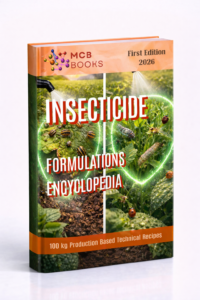
Insecticides are a major group of pesticides specifically designed to control insects that damage crops, spread diseases, and reduce agricultural productivity. They are widely used in farming, public health, and stored product protection. Understanding the functions of insecticides and their overall role in pest control helps manufacturers, farmers, and agricultural professionals use them more effectively and responsibly.
The primary function of insecticides is to eliminate or control harmful insect populations. Insects such as aphids, caterpillars, beetles, and mosquitoes can cause severe damage to crops by feeding on leaves, stems, roots, or fruits. Insecticides work by targeting specific biological systems in insects, most commonly the nervous system. Many insecticides act as neurotoxins, disrupting nerve signal transmission, leading to paralysis and death. Others function as growth regulators, preventing insects from developing into mature, reproductive stages.
Another important function of insecticides is to protect crop yield and quality. Insect infestations can lead to reduced plant growth, lower productivity, and contamination of agricultural products. By controlling these pests, insecticides help ensure that crops reach their full potential in both quantity and quality. This is especially critical in large-scale commercial agriculture, where even small losses can have significant economic impacts.
Insecticides also play a key role in preventing the spread of plant and human diseases. Many insects act as vectors, transmitting pathogens from one plant to another or even to humans. For example, certain insects spread viral and bacterial plant diseases, while mosquitoes are known carriers of diseases such as malaria and dengue. By reducing insect populations, insecticides help limit the transmission of these harmful pathogens.
A further function is providing residual protection. Some insecticides remain active on plant surfaces or in the environment for a certain period after application. This residual effect helps protect crops from future infestations without the need for frequent reapplication. However, the level of persistence must be carefully balanced to avoid environmental accumulation and resistance development.
Insecticides can also be categorized based on how they function in relation to the insect. Contact insecticides kill insects upon direct exposure, requiring good coverage during application. Systemic insecticides are absorbed by the plant and transported through its tissues, allowing them to control insects that feed on the plant internally. Stomach poisons are ingested by insects when they feed on treated surfaces, while fumigants act in gaseous form, entering the insect’s body through respiration.
In addition to agricultural uses, insecticides are widely applied in public health and household pest control. They are used to control disease-carrying insects such as mosquitoes, flies, and cockroaches, contributing to improved hygiene and reduced risk of infections. In stored grain facilities, insecticides help prevent losses caused by storage pests, ensuring food preservation and safety.
Despite their benefits, insecticides must be used carefully due to potential risks. Overuse or misuse can lead to resistance development, where insect populations become less sensitive to the active ingredient. This reduces effectiveness and requires the use of alternative products or higher doses. Insecticides may also affect non-target organisms such as beneficial insects, including pollinators like bees. Therefore, proper selection, dosage, and timing of application are essential.
In conclusion, insecticides serve multiple important functions, including controlling insect populations, protecting crops, preventing disease transmission, and supporting food security. Their effectiveness depends on their mode of action, formulation, and correct application. When used responsibly and as part of integrated pest management strategies, insecticides remain a powerful tool in modern agriculture and public health.