INTRODUCTION
Desktop air fresheners are simple but highly practical fragrance products used in offices, homes, and small indoor spaces. Unlike sprays or automated systems, these products work continuously without user interaction, making them ideal for long-lasting odor control.
You’ll often see them placed on desks, shelves, or small rooms where a constant, subtle fragrance is preferred.
At first glance, they may seem easy to produce.
👉 But in reality, a well-performing desktop air freshener depends on how the formulation is designed.
👉 The balance between fragrance, carrier system, and evaporation control determines how long the product lasts and how effective it feels.
📘 Professional Formulation Knowledge
Perfume and Color Cosmetics Formulations Encyclopedia
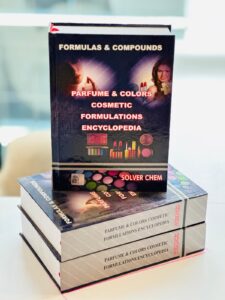
Instead of relying on trial-and-error, working with tested formulation systems makes a huge difference.
It helps you understand not only what ingredients to use, but how to create products that stay stable and perform consistently.
TYPES OF DESKTOP AIR FRESHENER SYSTEMS
Desktop air fresheners are produced in different formats depending on how the fragrance is released:
- gel-based systems
- liquid diffuser systems
- solid fragrance blocks
- granular scent containers
Each type works differently, but the goal is the same:
👉 slow and controlled fragrance release.
For a broader understanding of air freshener systems, you can also check
Air Freshener Formulations Air Freshener Productions
MAIN COMPONENTS USED IN FORMULATIONS
Most desktop air fresheners include:
- fragrance oils
- solvents or carriers
- stabilizers
- fixatives (for longer-lasting scent)
- gelling agents or absorbent materials
👉 The way these components interact determines how the fragrance behaves over time.
For gel-based products, see
How to Make Gel Air Freshener Materials
For solid systems, see
How to Make Air Freshener Granular Scent Formulas
WHY MANY DESKTOP AIR FRESHENERS FAIL
Many products in the market do not perform well.
Common issues include:
- weak fragrance after a short time
- uneven scent release
- instability or drying out
- poor visual appearance
👉 These problems usually come from incorrect formulation design rather than poor ingredients.
HOW FRAGRANCE RELEASE IS CONTROLLED
The effectiveness of a desktop air freshener depends on:
- evaporation rate
- carrier structure
- environmental conditions
- compatibility of ingredients
👉 A good formulation ensures that fragrance is released slowly and consistently instead of disappearing quickly.
PRODUCTION OVERVIEW
The production process typically includes:
- preparation of the base system
- controlled addition of fragrance
- mixing and stabilization
- filling into containers
The steps are simple, but the formulation behind them is what defines the product quality.
Creating a Product That Works in Real Life
If you just want to create a basic product, simple mixtures may be enough.
But if you want something that:
✔ lasts longer
✔ performs consistently
✔ looks stable
✔ satisfies users
then formulation becomes critical.
The Perfume and Color Cosmetics Formulations Encyclopedia brings together real formulation systems used in production.
👉 It helps you move from guessing to building products that actually work.
👉 Most successful air freshener products are built on structured formulation systems — not random recipes.
SUMMARY
Desktop air fresheners may look simple, but their performance depends on formulation balance and controlled fragrance release. Understanding this system is essential to create stable, long-lasting, and effective products.