How to Make Liquid Humic Acid: Formula and Production Process
Liquid humic acid is one of the most popular products used in modern agriculture and organic fertilizer production. Unlike solid humates, liquid products are easier to apply through irrigation systems, foliar sprays and liquid fertilizer programs. For this reason, many fertilizer manufacturers are interested in how to make liquid humic acid and how commercial products are produced.
Most liquid humic acid fertilizers are manufactured using Leonardite, a naturally oxidized material rich in humic substances. Through extraction and processing, these materials are converted into stable liquid products suitable for agricultural use. Depending on the intended application, manufacturers may also combine humic acid, fulvic acid, micronutrients and other plant nutrition ingredients.
In this article, we explain how to make liquid humic acid, discuss common liquid humic acid formulation approaches and review the production methods used in commercial fertilizer manufacturing.
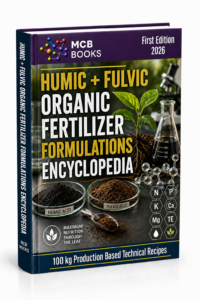
Looking for Professional Liquid Humic Acid Formulations?
Developing a successful liquid humic acid fertilizer involves much more than selecting a few raw materials. Product stability, humic acid concentration, compatibility and manufacturing conditions can all affect the final product.
Many manufacturers spend significant time testing different formulation approaches before achieving a stable and marketable fertilizer. Access to proven formulation knowledge can help reduce development time and avoid costly trial-and-error work.
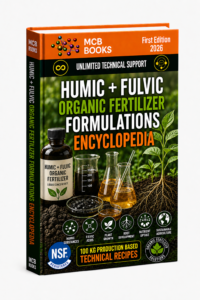
The HUMIC + FULVIC ORGANIC FERTILIZER FORMULATIONS ENCYCLOPEDIA was prepared for fertilizer manufacturers, entrepreneurs and product developers seeking practical formulation and production knowledge.
Inside the encyclopedia, you will find:
✔ Liquid Humic Acid Formulations
✔ Humic + Fulvic Fertilizer Concepts
✔ Commercial Production Methods
✔ Raw Material Selection Guidelines
✔ Product Development Know-How
✔ Manufacturing and Processing Information
Why Is Liquid Humic Acid So Popular?
The popularity of liquid humic acid fertilizers continues to grow because they are easy to use and can be applied through irrigation systems, fertigation programs and foliar applications. Compared with solid products, liquid formulations are generally more convenient to handle and integrate into modern agricultural practices.
Most commercial products are produced from Leonardite, which contains naturally occurring humic substances. Through extraction and processing, these materials are converted into concentrated liquid products suitable for agricultural use. Depending on the product design, manufacturers may also incorporate fulvic acid, micronutrients or other plant nutrition ingredients.
Commercial Production Considerations
While the basic concept may seem simple, producing a stable liquid humic acid fertilizer requires careful attention to raw material quality, processing conditions, product stability and formulation design. These factors often determine whether a product performs consistently during storage, transportation and field application.
For this reason, manufacturers typically invest considerable effort in developing formulations that meet both technical and market requirements.
SUMMARY
As demand for organic fertilizers and sustainable agriculture continues to expand, interest in liquid humic acid products is expected to grow worldwide. Understanding how to make liquid humic acid and how commercial products are formulated can help manufacturers develop more competitive fertilizer products while reducing costly trial-and-error development work.