If you are wondering what radiator flush made of, the answer depends on whether the product is designed as an alkaline, acidic or general-purpose cooling system cleaner. Most radiator flush products use a combination of surfactants, solvents and cleaning additives to help remove deposits, grease, scale and other residues from the cooling system.

Common ingredients can include alcohol- or glycol-based solvents, sodium metasilicate, and alkaline materials such as potassium hydroxide, sodium hydroxide or triethanolamine. Acidic radiator cleaner formulations may also use ingredients such as phosphoric acid for mineral deposit and scale removal.

The exact composition varies from one product to another, but the main goal is the same: to clean the radiator and cooling system without leaving unnecessary residue behind.
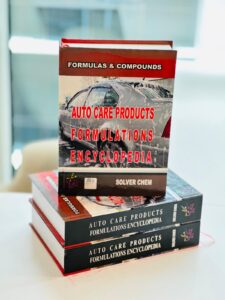
Car Care Manufacturing Books category for radiator cleaners and automotive care products
Explore Car Care Manufacturing Books for practical formulations and production guidance covering radiator cleaners, engine cleaners, wheel cleaners and other automotive care products.

If you are working with radiator flush products or other automotive cleaners, explore our

Car Care Manufacturing Books

for practical formulation references, raw material information and production guidance covering radiator cleaners, engine cleaners, wheel cleaners and other car care products.
Common Radiator Flush Ingredients

The exact formula changes from product to product, but radiator flush cleaners usually contain a combination of cleaning agents, solvents and supporting additives.

Surfactants help loosen oily dirt and residues, while alcohol- or glycol-based solvents can support cleaning performance. Alkaline products may use materials such as sodium metasilicate, sodium hydroxide, potassium hydroxide or triethanolamine. Acidic products may use ingredients such as phosphoric acid when mineral scale and deposits are the main problem.

Alkaline and Acidic Radiator Cleaners

Not every radiator cleaner is built the same way. Some products are mainly alkaline and are designed to deal with grease, oily contamination and general dirt.

Acidic radiator cleaners are used when mineral deposits, rust-related residues or scale need more attention. The choice between these systems depends on the type of contamination and the materials used in the cooling system.

Why Radiator Flush Composition Matters

Knowing what radiator flush is made of helps explain why different products behave differently during use. Cleaning strength, evaporation, residue control and compatibility with cooling-system materials all depend on the ingredient balance.

For commercial production, the important part is not simply knowing which chemicals can be used, but understanding how they are combined into a stable and effective formulation.

Summary

Understanding what radiator flush is made of gives a clearer picture of how cooling-system cleaners work. Surfactants, solvents, alkaline materials and acidic cleaning agents can all play a role depending on the type of radiator flush being produced.

If you want to move beyond basic ingredient information and review practical automotive cleaning formulations,

the

AUTO CARE PRODUCTS FORMULATIONS ENCYCLOPEDIA

is a useful next step for radiator cleaners and other car care products.
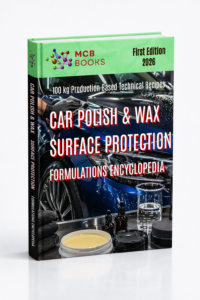
AUTO CARE PRODUCTS FORMULATIONS ENCYCLOPEDIA:
https://makingchembooks.com/product/car-care-products-formulations-encyclopedia/

👁️ Görüntülenme: 78

Leave a Reply

Your email address will not be published. Required fields are marked *