
“N-P-K”
Abundant nitrogen immediately comes to mind when thinking of fertile soil. It’s the green giant your plants need for lush, sturdy growth. It forms plant proteins and it’s probably the nutrient most familiar to gardeners. Nitrogen deficiencies cause leaves to lose their healthy, green color, and this chlorosis (yellowing) usually begins near the base of plants. As chlorosis works its way up, the plants appear weak and spindly.
Supplying soil and plants with nitrogen supplements presents no difficulties. Give plants a foliar feeding of fish emulsion and a root feeding of dried blood, rabbit manure, cottonseed meal, or a commercially prepared organic fertilizer for an immediate pick-me-up. Compost enriched with manures, tea and coffee grounds, feathers, garden wastes, and kitchen wastes makes an excellent long-term source of nitrogen.
Too much nitrogen is as bad as too little. The most obvious signs of excessive nitrogen include plants with weak, water-filled tissues and stems that break easily during windy conditions. Aphid infestation is another symptom. Studies show that these pesky insects prefer to feed on plants that receive excessive nitrogen.
The P of the N-P-K formulation, phosphorus, proves critical to photosynthesis, plant maturity, healthy roots, and energy transfers within plants, but it’s difficult to apply effectively in a soluble form. Elements with charges opposite that of phosphorus, such as calcium and iron, capture the nutrient and render it unavailable to plants. Remedy the problem by spreading phosphate rock on the soil. It’s barely soluble, remaining stable until soil organisms and plant roots release it in a form that plants use.
Rock phosphate should also be supplied to the compost pile. Sprinkle it lightly whenever adding raw materials. Compost receives phosphorus from those items, too. Wood ashes, bone meal, citrus wastes, cottonseed meal, manures, fish wastes, and dried blood all supply phosphorus.
Watch for purple leaves, veins, and stems. They strongly indicate a phosphorus-deficiency. Leaves of corn and white pea beans turn yellow at blossoming time when they don’t receive enough phosphorus. The deficiency also causes the undersides of tomato leaves to turn purple. Radish leaves develop a reddish color on the undersides, and they yellow progressively during maturity. That condition may appear to be caused by a lack of nitrogen, but if kernels don’t fill the rows or ear tips and leaves yellow, read the problem as a lack of phosphorus.
Potassium is the familiar K of the N-P-K trio. It remains in solution after being absorbed and flows through plants completing several important functions necessary for good health: (1) It helps the manufacture of sugars and their movement within plants, which has a direct bearing on a plant’s ability to resist diseases. (2) It adjusts the openings of leaf pores (stomata) to make them open widely when moisture is available and close tightly during drought.
Potash (potassium compound) availability (3) increases photosynthesis by increasing the amount of chlorophyll in leaves. That results in plants that better utilize available light. Your plantings in partial and full shade are more apt to thrive in a potassium-rich environment.
Plant leaves provide some of the most reliable indications of potash deficiencies. Their edges will yellow, turn brown, and curl. Corn leaves show yellow streaks between veins and brown edges and tips develop. The spaces between leaf nodes will also grow unusually small, giving the leaves an appearance of being tightly packed. Curled carrot leaves indicate a potassium deficiency, especially when a below-ground inspection reveals stunted, misshapen carrots that have an “off” flavor. The carrots may be long but of a small diameter.
Excellent natural sources of potash for a summer quick fix include a foliar feeding of fish emulsion and liquid seaweed and root feeding with wood ashes, well-rotted cow manure, cottonseed meal, aged-poultry manure, and compost enriched with corn stalks. Granite dust and glauconite (greensand) provide potash over the long haul.
ORGANİC FERTILIZERS AND PRODUCTIONS
any liquid and solid organic fertilizer,
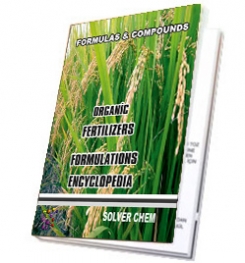
ORGANIC
FERTILIZERS
FORMULATIONS
ENCYCLOPEDİA
is enough.
This encyclopedia has many formulations about organic soil conditioner,humic acid productions,compositions,fulvic acid manufacturing,organic fertilizers,animal manure,amino acid organic fertilizers, organomineral powder fertilizers,organomineral liquid fertilizers productions,liquid root growth fertilizers formulas,granular root growth fertilizers,seaweed organic fertilizers,wermicompost fertilizers formulations,gel organic fertilizers,organomineral gel fertilizers manufacturing and any organic fertilizers etc.
All organic fertilizers in the encyclopedia are producible easily.You need no help and no technıcal support. The encyclopedia is enough to produce organic fertilizers itself.
ORGANIC
FERTILIZERS
FORMULATIONS
ENCYCLOPEDIA
is written clear and understandable.
RELATED TAGS: What is organic fertilizer,preparation of organic soil conditioner, liquid organic fertilizer manufacturing,animal manure manufacturing, manufacturing proces of animal manure,chicken manure,efficiency of humic acid in soil,effect of humic acid in plants, advantages of humic acid in agriculture, types of animal manure,seaweed fertilizer manufacturing process,production of liquid seaweed fertilizers, what is organic compost, preparation of organic compost,how to use organic compost,making organic compost, using of seaweed fertilizer,properties of seaweed organic fertilizers how to make liquid organic fertilizers, making organic compost,types of organic compost,manufacturing process of organic compost, how to make organic compost fertilizers, production of organic fertilizers,manufacturing process solid humic acid, formulation of humic acid,value of humic acid,manufacturing process of fulvic acid,how to produce humic acid,what is leoardite,where to use leonardite,types of leonardite,properties of leonardite,analyzes of leonardite,specification of leonardite, values of leonardite, what is leonardite humate,what is potassium humate, liquid humic acid preparation,powder humic acid production, granular soil conditioner manufacturing process, powder soil conditioner making,formulation of organic soil conditioner, making powder humic acid,humic acid production, composition of organic fertilizers,how to use organic fertilizers,why to use organic fertilizer,types of organic fertilizer,benefits of organic fertilizers,wermicompost fertilizers making, powder organic fertilizers,how to use organic fertilizers, making wermicompost fertilizer, formulation of seaweed fertilizers, amino acid fertilizer production,granular organic fertilizer,amino acid organic fertilizer manufacturing, properties of organic fertilizers, analyzes of organic fertilizer, specification of organic fertilizers, where to use organic fertilizers, what is soil amendments, humic acid making, how to make powder humic acid, manufacturing process of fulvic acid, herbal fulvic acid making, liquid humic acid process, formulation of humic acid,organic fertilizers for plants, organic fertilizers in agriculture, how to produce organic fertilizers, animal manure manufacturing process, herbal fertilizers, what is organic fertilizer compost, what is organic agriculture, how to make organic agriculture, advantages of organic fertilizers, effects of organic fertilizer, results of organic fertilizers, indications of organic fertilizers, symptoms of organic fertilizers, preparation of organic fertilizers, calculation of organic fertilizers, compounds of organic fertilizers,composition of liquid organic fertilizers, fertilization of organic fertilizers,why to use organic fertilizers.what is humate, types of humates,benefit of humate,potassium humate manufacturing process.,using powder soil conditioner, properties of granular soil conditioner,what is pellet organic soil conditioner.what is amino acid fertilizer, how to use organic amino acid fertilizsers,making amino acid fertilizers,formulation of amino acid fertilizers,manufacturing process of amino acid fertilizers, what is organic compost, where to use organic compost, types of organic compost in plants,benefits of organic compost in soil, preparation of organic compost in agriculture.
E – BOOKS AND HARD BOOKS
HOW TO BUY
AGRICULTURE ENCYCLOPEDIAS AND VIDEOS