Humic Acid and Fertilizer: Can They Be Used Together?
Many growers wonder about the relationship between humic acid and fertilizer and whether they perform the same function in crop production. While both are commonly used in agriculture, they contribute to plant growth in very different ways.
One of the most common misconceptions is that humic acid fertilizer and conventional fertilizers are interchangeable products. In reality, humic acid is not considered a fertilizer because it does not primarily supply nutrients such as nitrogen (N), phosphorus (P) or potassium (K). Instead, humic acid is valued for its role in improving soil conditions and supporting more efficient nutrient use.
For this reason, many growers use fertilizers with humic acid rather than choosing one over the other. Humic substances are often described as soil conditioners that help create a better growing environment, while fertilizers provide the nutrients required for plant development. When used together, they can complement each other as part of a balanced plant nutrition program.
Understanding how humic acid and fertilizer work together can help growers make more informed decisions about soil management, crop nutrition and overall agricultural productivity.
Professional Humic Acid Fertilizer Formulations
Using humic acid and fertilizer together is a common practice in modern agriculture. However, developing a successful commercial product requires much more than simply combining raw materials. Factors such as humic substance concentration, raw material quality, product stability, compatibility and formulation design all play an important role in the final product.
For manufacturers and product developers, creating effective humic acid fertilizer formulations often involves extensive testing, production trials and formulation work. Access to proven formulation knowledge can help reduce development time and avoid costly mistakes.
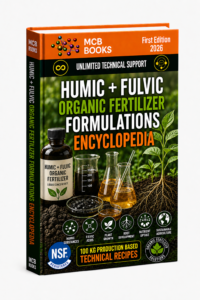
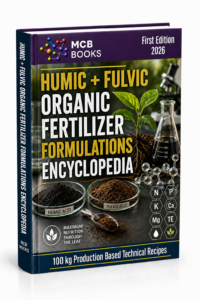
The HUMIC + FULVIC ORGANIC FERTILIZER FORMULATIONS ENCYCLOPEDIA provides practical information for companies developing humic acid and fulvic acid fertilizer products.
Inside the encyclopedia you will find:
✔ Humic Acid Fertilizer Formulations
✔ Humic + Fulvic Fertilizer Formulations
✔ Organic Fertilizer Product Concepts
✔ Commercial Production Methods
✔ Raw Material Selection Guidelines
✔ Manufacturing Procedures
✔ Product Development Know-How
Why Do Growers Use Humic Acid with Fertilizers?
One of the main reasons growers combine humic acid and fertilizer is that each product serves a different purpose. Fertilizers supply nutrients that plants need for growth, while humic acid is commonly used to support the soil environment where those nutrients are utilized.
Because of this difference, many farmers view humic acid as a valuable addition to existing fertilization programs rather than a replacement for traditional fertilizers. In practical agriculture, it is common to see fertilizers with humic acid used in field crops, vegetables, fruit orchards and greenhouse production systems.
Can Humic Acid Be Mixed with Fertilizers?
In many situations, humic acid can be used alongside fertilizers as part of a broader plant nutrition program. However, compatibility may vary depending on the fertilizer type, concentration and formulation. For this reason, manufacturers often recommend checking product-specific guidelines before mixing products in the same tank.
This is particularly important in commercial agriculture, where consistency and product performance are essential. Properly designed formulations can help ensure reliable handling, storage and application.
Humic Acid for Plants
The popularity of humic acid for plants continues to grow because it can be incorporated into a wide range of agricultural programs. It is commonly used in soil applications, irrigation systems and liquid fertilizer programs.
Growers often include humic acid as part of their overall crop management strategy, especially when they are looking for products that complement existing fertilization practices. As a result, humic acid has become a common component in many modern agricultural systems.
Choosing the Right Product
Not all humic acid products are the same. Factors such as raw material quality, humic substance content, manufacturing methods and formulation design can vary significantly from one product to another.
For this reason, successful manufacturers typically focus on developing products that offer consistent quality, stable formulations and reliable field performance. Understanding these differences can help growers and distributors make more informed product selections.
SUMMARY
The discussion of humic acid and fertilizer is not really about choosing one or the other. In most agricultural programs, they are used together because they perform different functions. Fertilizers provide nutrients, while humic acid is commonly used as a complementary component within broader plant nutrition strategies.
As interest in humic acid fertilizers and organic plant nutrition products continues to grow, understanding how these materials work together becomes increasingly important for growers, distributors and fertilizer manufacturers alike.