Introduction
NPK fertilizer production lines are industrial systems used to manufacture compound fertilizers that contain nitrogen, phosphorus, and potassium. These fertilizers are widely used in modern agriculture because they provide balanced plant nutrition and improve crop productivity.
A typical fertilizer production line includes several processing stages such as raw material preparation, mixing, granulation, drying, screening, and packaging. These production systems allow fertilizer manufacturers to produce large quantities of fertilizers with consistent nutrient composition.
The general fertilizer manufacturing process is explained in the NPK Fertilizer Production Process guide, while the raw materials used in fertilizer production are described in Raw Materials Used in NPK Fertilizer Production.
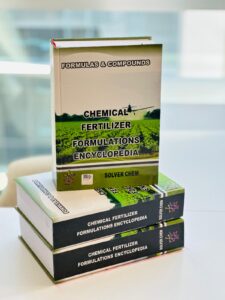
Detailed industrial fertilizer formulations and fertilizer production technologies are explained in the Chemical Fertilizers Formulations Encyclopedia.
Main Components of an NPK Fertilizer Production Line
An industrial fertilizer production line consists of several key equipment units designed to process raw materials into finished fertilizer products.
Typical components include:
-
raw material storage systems
-
automatic dosing equipment
-
fertilizer mixers and blenders
-
granulation units
-
rotary dryers
-
cooling machines
-
screening equipment
-
fertilizer coating machines
-
packaging systems
These systems ensure efficient fertilizer production and stable product quality.
NPK Fertilizer Production Line Process
Raw Material Preparation
Raw materials such as nitrogen, phosphorus, and potassium sources are stored and measured using automated weighing systems.
Mixing and Blending
The selected materials are blended using industrial fertilizer mixers to achieve uniform nutrient distribution.
Granulation
Granulation equipment converts powdered materials into fertilizer granules suitable for agricultural application.
Granulation technology is explained in the Granular NPK Fertilizer Production Process guide.
Drying and Cooling
Granular fertilizers are dried to remove excess moisture and cooled to improve storage stability.
Screening and Coating
Fertilizer granules are screened according to particle size and may be coated to improve physical properties.
Packaging
Finished fertilizer products are packaged using automated packaging machines for distribution.
Advantages of Modern Fertilizer Production Lines
Modern fertilizer production systems provide several benefits:
-
high production efficiency
-
consistent fertilizer quality
-
automated production control
-
large-scale manufacturing capability
These systems allow fertilizer producers to meet the increasing demand for agricultural fertilizers.
Industrial Fertilizer Formulations Guide
Detailed fertilizer formulations and fertilizer manufacturing technologies are explained in the Chemical Fertilizers Formulations Encyclopedia. This professional guide provides practical information about fertilizer formulation development and industrial fertilizer production.
SUMMARY
NPK fertilizer production lines are industrial systems used to manufacture compound fertilizers containing nitrogen, phosphorus, and potassium. These production systems include several processing stages such as raw material preparation, mixing, granulation, drying, screening, and packaging. Efficient fertilizer production lines ensure consistent fertilizer quality and high production capacity.
Related Articles
NPK Fertilizer Production Process
Raw Materials Used in NPK Fertilizer Production
NPK Fertilizer Production Equipment
Granular NPK Fertilizer Production Process
Liquid NPK Fertilizer Production Process
How to Make NPK Fertilizer
How to Make NPK 20-20-20 Fertilizer
How to Make NPK 15-15-15 Fertilizer
How to Make NPK 10-10-10 Fertilizer
How to Make NPK 12-12-17 Fertilizer
How to Make NPK 19-19-19 Fertilizer