Organic Liquid Fertilizer Formulas for Sustainable Agriculture Production
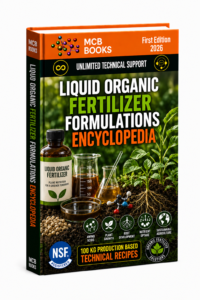
Organic liquid fertilizers have become an essential part of sustainable agriculture production systems worldwide. Farmers and agricultural manufacturers are increasingly choosing organic-based nutrient solutions to improve soil fertility, enhance plant growth, and reduce dependence on synthetic chemical fertilizers. These formulations are widely used in greenhouse cultivation, open-field farming, horticulture, and organic crop production.
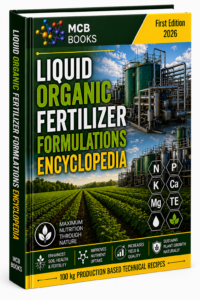
Organic liquid fertilizer formulas are typically produced using natural raw materials such as humic acid, fulvic acid, seaweed extract, amino acids, fish hydrolysate, compost extracts, molasses, and plant-based nutrient sources. These ingredients help provide balanced nutrition while supporting microbial activity and long-term soil health.
One of the biggest advantages of organic liquid fertilizers is their rapid absorption by plants. Since nutrients are already dissolved in liquid form, they can be easily absorbed through roots or leaves during foliar applications. This improves nutrient efficiency and helps plants respond quickly during critical growth stages.
Modern sustainable agriculture systems also benefit from the compatibility of liquid organic fertilizers with fertigation and drip irrigation technologies. Farmers can precisely deliver nutrients directly to the root zone, minimizing nutrient loss and improving water efficiency. This approach supports environmentally responsible agriculture while increasing crop productivity.
Different organic liquid fertilizer formulations can be designed for specific agricultural purposes. Nitrogen-rich formulas are commonly used during vegetative growth, while phosphorus and potassium enriched products are preferred during flowering and fruit development stages. Micronutrients, beneficial microbes, and biostimulants can also be added to improve crop performance under stress conditions.
In addition to improving plant nutrition, organic liquid fertilizers contribute to better soil structure and increased organic matter levels. Continuous use may improve microbial diversity, water retention capacity, and nutrient availability in the soil. These benefits make organic fertilizers highly valuable for long-term agricultural sustainability.
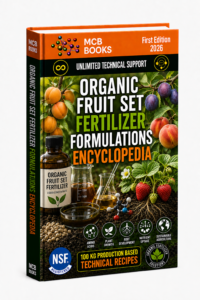
Commercial manufacturers are also developing advanced organic fertilizer systems for high-value crops such as tomatoes, peppers, strawberries, grapes, citrus fruits, and leafy vegetables. The growing demand for residue-free and environmentally friendly agricultural products continues to increase the importance of organic liquid fertilizer technologies in global agriculture.
Common Ingredients Used in Organic Liquid Fertilizer Formulas
- Humic acid
- Fulvic acid
- Seaweed extract
- Amino acids
- Organic nitrogen sources
- Potassium derived from natural minerals
- Compost extract
- Molasses
- Beneficial microorganisms
- Plant extracts
Applications in Sustainable Agriculture
- Drip irrigation systems
- Foliar fertilizer applications
- Greenhouse crop production
- Organic farming systems
- Soil rehabilitation programs
- Fruit and vegetable cultivation
- Stress management in crops
SUMMARY
Organic liquid fertilizer formulas play a critical role in sustainable agriculture production by improving soil health, increasing nutrient efficiency, and supporting environmentally friendly farming practices. Their compatibility with modern irrigation systems and their ability to enhance crop performance make them an important solution for professional agriculture. As demand for sustainable farming continues to grow, organic liquid fertilizer technologies will remain a major part of future agricultural production systems.