PLANT YIELD BOOSTER FORMULATIONS FOR FRUITS,
VEGETABLES AND FIELD CROPS
 Increasing crop yield across fruits, vegetables, and field crops requires more than standard fertilization programs. Modern agriculture demands targeted solutions that enhance plant metabolism, improve nutrient efficiency, and support plants under varying environmental conditions. Plant yield booster formulations are specifically developed to meet these needs by combining advanced ingredients that directly influence growth, flowering, fruit set, and final harvest quality.
For fruit crops such as citrus, apples, grapes, and berries, yield booster formulations are typically designed to support flowering intensity and fruit development. These systems often include boron and zinc for reproductive growth, amino acids for stress recovery, and plant growth regulators (PGRs) to improve fruit set and reduce drop. In addition, seaweed extracts are widely used due to their natural hormone content, which helps regulate plant processes and improve fruit size and uniformity.
Vegetable crops, including tomatoes, peppers, cucumbers, and leafy greens, require fast-acting and highly absorbable formulations. Foliar-applied yield boosters are especially effective in these crops, as they deliver nutrients and bioactive compounds directly to the plant tissues. Amino acids and micronutrients play a crucial role in boosting chlorophyll production, enhancing photosynthesis, and accelerating growth cycles. This results in higher productivity and improved crop quality within shorter harvest periods.
Field crops such as wheat, corn, rice, and soybeans demand scalable and cost-effective solutions. Yield booster formulations for these crops are often designed to improve nutrient use efficiency and enhance tolerance to drought, heat, and soil stress. Humic and fulvic acids are commonly used to improve root development and nutrient uptake, while balanced micronutrient systems ensure consistent plant growth across large agricultural areas. These formulations are typically applied through foliar spraying or irrigation systems for maximum coverage and efficiency.
From a manufacturing perspective, developing successful plant yield booster products requires a strong focus on formulation stability and ingredient compatibility. The correct selection of chelating agents, surfactants, and stabilizers ensures that nutrients remain available and effective under field conditions. Additionally, the production process must be carefully controlled to protect sensitive components such as hormones and organic extracts, ensuring consistent product performance.
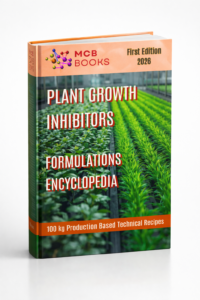
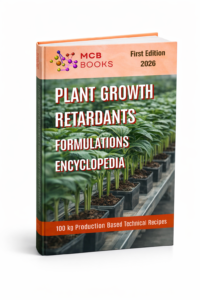
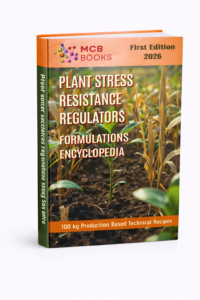
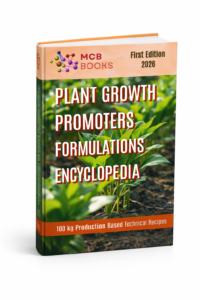
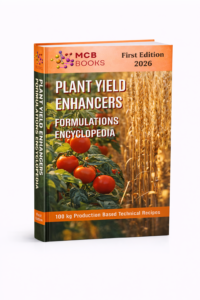
For agrochemical producers looking to gain a competitive advantage, utilizing proven formulation systems is essential. Technical resources like the Plant Yield Enhancers Formulations Encyclopedia provide detailed industrial formulations, raw material selection strategies, and step-by-step production methods. These tools allow manufacturers to develop high-performance products faster and with greater reliability.
Ultimately, plant yield booster formulations represent a key opportunity to improve agricultural productivity across multiple crop types. By tailoring formulations to specific crop needs and combining scientific precision with practical application strategies, manufacturers can deliver solutions that significantly enhance yield, quality, and farmer profitability.