Introduction
Chalk production is an important industrial process used to manufacture writing materials, marking products, and various industrial chalk-based items. Modern chalk formulations are designed to provide smooth writing performance, durability, and reduced dust formation.
Understanding chalk production process, raw materials, and formulation techniques is essential for manufacturers developing high-quality industrial chalk products. In this guide, you will learn chalk formulas, ingredients, and step-by-step manufacturing methods used in industrial production.
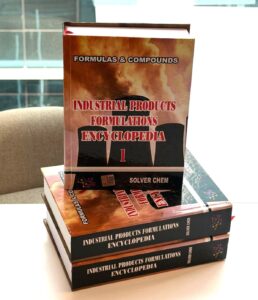
Discover professional industrial formulations in the Industrial Products Formulations Encyclopedia – 1, developed by a chemical engineer with over 40 years of experience.
What is Chalk?
Chalk is a solid material primarily composed of calcium carbonate, used for writing, marking, and industrial applications. It is widely used in education, construction, and industrial environments.
Industrial chalk is formulated to improve strength, reduce dust, and enhance usability compared to traditional chalk products. For low-dust applications, specialized formulations such as dustless chalk production methods are widely used:
https://makingchembooks.com/dustless-chalk-production-process-formula-making-methods/
Raw Materials Used in Chalk Production
The quality of chalk depends on the selection of raw materials:
- Calcium carbonate (main component)
- Binders (starch or synthetic binders)
- Water
- Lubricants
- Additives for dust control
Calcium carbonate is a key raw material used in many industrial formulations and plays a critical role in chalk performance.
Chalk Formula (Example)
A typical industrial chalk formulation may include:
- Calcium carbonate: 85–90%
- Binder (starch or polymer): 5–10%
- Water: balance
- Additives (lubricants, dust reducers): small amounts
This formulation provides good mechanical strength, smooth writing, and reduced dust formation.
Chalk Production Process
The industrial production process consists of several stages:
1. Raw Material Preparation
All materials are measured according to the formulation.
2. Mixing
Calcium carbonate is mixed with binders and water to form a uniform paste.
3. Molding or Extrusion
The mixture is shaped into chalk sticks using molds or extrusion equipment.
4. Drying
The formed chalk is dried under controlled conditions to remove moisture and increase strength.
5. Cutting and Finishing
The dried chalk is cut, polished, and prepared for packaging.
6. Packaging
The final product is packed for storage and distribution.
Industrial Equipment Used
Chalk production requires:
- Mixing tanks
- Molding or extrusion machines
- Drying ovens
- Cutting equipment
👉 Similar industrial production systems are used in cleaning product manufacturing:
https://makingchembooks.com/degreaser-ingredients-degreaser-recipe-formulas/
Applications of Chalk
Chalk is used in various sectors:
- Educational use (writing boards)
- Industrial marking
- Construction applications
- Temporary surface marking
For applications requiring reduced dust, advanced formulations such as dustless chalk are preferred in modern production systems.
Advantages of Industrial Chalk Formulations
- Reduced dust formation
- Improved durability
- Smooth writing performance
- Consistent quality
- Suitable for industrial production
Formulation Tips
- Use high-purity calcium carbonate
- Optimize binder ratio for strength
- Control moisture content during mixing
- Ensure uniform drying conditions
Advanced formulation strategies can be developed using the Industrial Products Formulations Encyclopedia – 1.
Safety and Handling
- Avoid inhalation of fine powders
- Use protective equipment during production
- Store raw materials in dry conditions
- Follow industrial safety guidelines
Frequently Asked Questions (FAQ)
What is chalk made of?
Chalk is mainly made of calcium carbonate combined with binders and additives.
How is chalk produced?
It is produced by mixing raw materials, shaping, drying, and finishing.
Why is industrial chalk different?
Industrial chalk is designed to reduce dust and improve performance.
What is the main ingredient in chalk?
Calcium carbonate is the primary component.
Author
This content is prepared by a professional chemical engineer with over 40 years of industrial formulation experience.
SUMMARY
Chalk production is a structured industrial process that combines calcium carbonate, binders, and additives to produce durable and high-performance chalk products. Modern formulations focus on reducing dust, improving strength, and ensuring consistent quality.
By understanding raw materials, formulation techniques, and production methods, manufacturers can develop efficient and reliable chalk products for various applications.