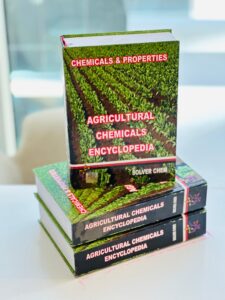
Introduction
Water soluble NPK fertilizers are widely used in modern agriculture, especially in fertigation systems, greenhouse cultivation, and hydroponic farming. These fertilizers dissolve completely in water, allowing plants to absorb nutrients quickly and efficiently.
Water soluble fertilizers provide balanced plant nutrition and are commonly used for vegetables, fruits, and high-value crops. The general stages of fertilizer manufacturing are explained in the NPK Fertilizer Production Process guide, while the chemical components used in fertilizer production are described in Raw Materials Used in NPK Fertilizer Production.
Understanding the water soluble NPK fertilizer production process requires knowledge of raw materials, fertilizer formulas, and fertilizer blending technologies.
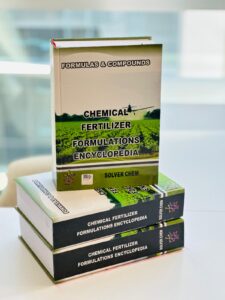
Detailed industrial fertilizer formulations and fertilizer production technologies are explained in the Chemical Fertilizers Formulations Encyclopedia.
What is Water Soluble NPK Fertilizer
Water soluble NPK fertilizers are fertilizers that dissolve completely in water without leaving residues. These fertilizers are commonly used in drip irrigation systems and fertigation equipment.
Typical water soluble NPK fertilizers include:
-
NPK 19-19-19
-
NPK 20-20-20
-
NPK 13-40-13
-
NPK 12-61-0
These fertilizers provide balanced nutrients and rapid nutrient uptake for plants.
Raw Materials Used in Water Soluble NPK Fertilizer Production
The production of water soluble fertilizers requires highly soluble nutrient sources.
Common nitrogen sources:
-
Urea
-
Ammonium nitrate
Common phosphorus sources:
-
Monoammonium phosphate (MAP)
-
Phosphoric acid
Common potassium sources:
-
Potassium nitrate
-
Potassium sulfate
These materials are selected based on nutrient concentration and water solubility.
Water Soluble NPK Fertilizer Production Process
Raw Material Preparation
Raw materials are stored and weighed using industrial dosing systems to ensure accurate nutrient ratios.
Blending and Mixing
Water soluble fertilizers are typically produced using dry blending technology or solution mixing systems. The raw materials are blended to create homogeneous fertilizer compositions.
Dissolution and Solution Preparation
For liquid water soluble fertilizers, the blended materials are dissolved in water using industrial mixers and tanks.
Filtration and Quality Control
The fertilizer solution may be filtered to remove impurities and ensure complete dissolution.
Packaging
The final fertilizer product is packaged as powder, crystals, or liquid fertilizer depending on the production process.
Advantages of Water Soluble Fertilizers
Water soluble fertilizers offer several benefits in modern agriculture:
-
rapid nutrient availability
-
efficient nutrient absorption
-
suitable for fertigation systems
-
improved crop yield
-
uniform nutrient distribution
These fertilizers are widely used in greenhouse production and precision agriculture.
Industrial Fertilizer Formulations Guide
Detailed fertilizer formulations and fertilizer production technologies are explained in the Chemical Fertilizers Formulations Encyclopedia. This professional guide provides practical information about fertilizer formulation development and industrial fertilizer manufacturing.
SUMMARY
Water soluble NPK fertilizers are widely used in modern agriculture due to their high solubility and rapid nutrient availability. The production process includes raw material preparation, blending, dissolution, filtration, and packaging. Proper formulation and production control ensure high-quality fertilizers suitable for fertigation and greenhouse cultivation.
Related Articles
NPK Fertilizer Production Process
Raw Materials Used in NPK Fertilizer Production
NPK Fertilizer Production Equipment
Granular NPK Fertilizer Production Process
Liquid NPK Fertilizer Production Process
How to Make NPK Fertilizer
How to Make NPK 20-20-20 Fertilizer
How to Make NPK 15-15-15 Fertilizer
How to Make NPK 10-10-10 Fertilizer
How to Make NPK 12-12-17 Fertilizer
How to Make NPK 19-19-19 Fertilizer