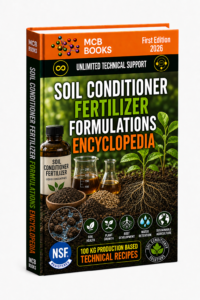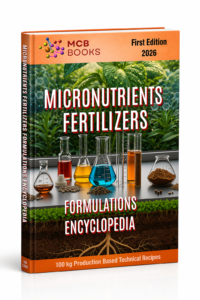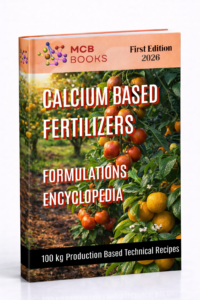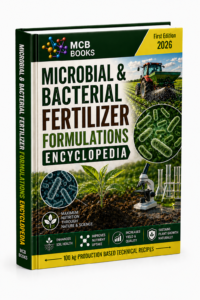
Liquid organic fertilizers are nutrient-rich solutions derived from natural sources such as plant extracts, animal by-products, compost, or microbial fermentation. They are widely used in modern agriculture due to their fast action, high bioavailability, and soil-enhancing effects.
🔬 1. Nutrient Composition
- Contains macro nutrients: Nitrogen (N), Phosphorus (P), Potassium (K)
- Rich in microelements: Fe, Zn, Mn, Cu, B
- Often includes organic carbon compounds and humic/fulvic acids
- May contain free amino acids and proteins (especially hydrolysates)
👉 Compared to chemical fertilizers, nutrients are in complexed organic forms, improving plant uptake.
⚡ 2. High Bioavailability
- Nutrients are easily absorbed through:
- Leaves (foliar application)
- Roots (soil/drip systems)
- Faster plant response than solid organic fertilizers
- Reduced nutrient loss (leaching & fixation)
🌿 3. Soil Improvement Effects
- Enhances soil structure and aeration
- Increases water retention capacity
- Boosts microbial activity
- Improves cation exchange capacity (CEC)
👉 Over time, soil becomes more fertile and biologically active.
🧪 4. Biological Activity
- Contains or stimulates:
- Beneficial bacteria
- Enzymes
- Natural growth stimulants
- Supports rhizosphere development
🌼 5. Plant Growth Stimulation
- Promotes:
- Root development
- Chlorophyll synthesis
- Flowering and fruit setting
- Improves stress resistance (drought, salinity, heat)
💧 6. Application Flexibility
- Can be applied via:
- Foliar spray
- Drip irrigation (fertigation)
- Soil drench
- Compatible with many crop types:
- Vegetables
- Fruits
- Field crops
- Greenhouse systems
♻️ 7. Environmental Benefits
- Biodegradable and eco-friendly
- Reduces dependency on synthetic fertilizers
- Lower risk of soil and water pollution
⚖️ 8. pH and Compatibility
- Usually mildly acidic to neutral (pH 4–7)
- Helps buffer soil pH
- Often compatible with:
- Other fertilizers
- Biostimulants
- Some pesticides (check stability)
🚀 9. Rapid Plant Response
- Visible effects within days
- Ideal for:
- Correcting nutrient deficiencies
- Recovery from stress
- Boosting growth cycles
📌 10. Limitations (Realistic View)
- Lower nutrient concentration vs chemical fertilizers
- Requires more frequent application
- Shelf life can be shorter (biological content)
- Quality varies depending on raw materials and processing
🔥 SUMMARY
Liquid organic fertilizers combine nutrition + biostimulation + soil improvement in one system. They are not just fertilizers—they act as plant performance enhancers, especially in sustainable and high-efficiency agriculture systems.
👁️ Görüntülenme: 25