Introduction
Liquid NPK fertilizers are widely used in modern agriculture due to their fast nutrient availability and easy application through irrigation systems. These fertilizers contain dissolved nitrogen, phosphorus, and potassium sources that can be rapidly absorbed by plants.
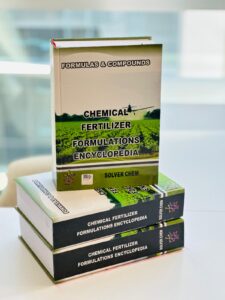
Detailed industrial fertilizer formulations and production technologies are explained in the Chemical Fertilizers Formulations Encyclopedia.
In industrial fertilizer manufacturing plants, liquid NPK fertilizers are produced through controlled mixing, dissolution, and stabilization processes. The overall fertilizer manufacturing stages are explained in the NPK Fertilizer Production Process guide, while the raw materials used in fertilizer production are discussed in Raw Materials Used in NPK Fertilizer Production.
Liquid fertilizer technology allows manufacturers to produce balanced nutrient formulations suitable for fertigation systems, foliar feeding, and modern agricultural practices.
Raw Materials Used in Liquid NPK Fertilizers
Liquid NPK fertilizers are produced using soluble nutrient sources that dissolve easily in water.
Common raw materials include:
-
Urea
-
Ammonium nitrate
-
Ammonium sulfate
-
Phosphoric acid
-
Monoammonium phosphate (MAP)
-
Potassium nitrate
-
Potassium chloride
-
Potassium sulfate
These materials are carefully selected to ensure complete dissolution and stable nutrient composition.
Mixing and Dissolution Process
The first step in liquid fertilizer production involves dissolving the selected raw materials in water inside large mixing tanks or reactors. Industrial fertilizer plants typically use stainless steel mixing tanks equipped with mechanical agitators to ensure uniform mixing.
The mixing process allows nitrogen, phosphorus, and potassium compounds to dissolve completely and form a homogeneous liquid fertilizer solution.
Filtration and Stabilization
After the dissolution process, the fertilizer solution may pass through filtration systems to remove impurities or undissolved particles. Stabilizing agents may also be added to prevent precipitation or crystallization during storage.
Stabilization ensures that the fertilizer remains clear and chemically stable during transportation and application.
Storage and Packaging
Once the liquid fertilizer formulation is prepared, the product is transferred to storage tanks before packaging.
Industrial fertilizer manufacturers commonly use:
-
storage tanks
-
liquid fertilizer pumps
-
automatic filling systems
Liquid fertilizers are typically packaged in plastic containers, drums, or bulk storage tanks for agricultural distribution.
Advantages of Liquid NPK Fertilizers
Liquid fertilizers offer several advantages compared to solid fertilizers.
These include:
-
faster nutrient availability
-
easy application through irrigation systems
-
uniform nutrient distribution
-
improved compatibility with micronutrients
Because of these advantages, liquid fertilizers are increasingly used in modern precision agriculture systems.
Industrial Fertilizer Formulations Guide
Detailed fertilizer formulations and industrial production technologies are explained in the Chemical Fertilizers Formulations Encyclopedia, which provides practical information about fertilizer formulation development and fertilizer manufacturing processes.
SUMMARY
Liquid NPK fertilizers are produced through controlled dissolution, mixing, stabilization, and packaging processes. These fertilizers provide fast nutrient availability and efficient application through irrigation systems. Modern fertilizer manufacturing plants use specialized mixing equipment and stabilization techniques to produce high-quality liquid fertilizer formulations suitable for agricultural use.