What Are Calcium Fertilizers? Formulations and Production Explained
Calcium fertilizers are essential agricultural inputs that supply plants with calcium, a vital secondary nutrient required for proper growth and development. Although needed in smaller amounts compared to primary nutrients like nitrogen, phosphorus, and potassium, calcium plays a critical role in strengthening plant cell walls, improving root development, and enhancing nutrient transport within the plant. Understanding what calcium fertilizers are, how they are formulated, and how they are produced is essential for manufacturers, agronomists, and farmers aiming to achieve high crop quality and productivity.
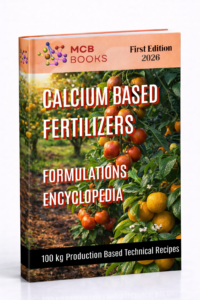
Calcium fertilizers are primarily used to prevent and correct calcium deficiencies in plants. Such deficiencies can lead to physiological disorders like blossom end rot in tomatoes and peppers, bitter pit in apples, and tip burn in leafy vegetables. These issues not only reduce crop yield but also negatively affect market quality. By supplying calcium in an available form, these fertilizers help improve fruit firmness, extend shelf life, and increase resistance to environmental stress.
The formulation of calcium fertilizers depends on the intended application method and crop requirements. Common forms include liquid solutions, water-soluble powders, suspension concentrates, and granular products. Liquid calcium fertilizers are widely used for foliar spraying and fertigation systems due to their rapid absorption and ease of application. Powder and granular formulations offer advantages such as longer shelf life, easier storage, and controlled nutrient release.
Selecting the right raw materials is a crucial step in calcium fertilizer formulation. Common calcium sources include calcium nitrate, calcium chloride, calcium sulfate, and chelated calcium compounds. Each source has specific characteristics that influence its use. For example, calcium nitrate is highly soluble and provides both calcium and nitrogen, making it suitable for fertigation. Calcium chloride is commonly used in foliar applications for quick nutrient uptake, while calcium sulfate (gypsum) is often used for soil improvement and slow-release applications.
One of the main challenges in calcium fertilizer formulation is maintaining stability, especially in liquid products. Calcium ions can react with other components, leading to precipitation and reduced effectiveness. To address this, formulations often include stabilizers and pH control systems that help maintain solubility and prevent unwanted reactions. Proper formulation design ensures that nutrients remain available to plants throughout storage and application.
The production process of calcium fertilizers involves several key steps, including raw material selection, accurate weighing, controlled mixing, dissolution or granulation, quality control, and packaging. In liquid formulations, maintaining the correct pH and mixing sequence is essential to achieve a stable and homogeneous product. For powder and granular products, controlling particle size and moisture content ensures consistent quality and ease of application.
Quality control is an important aspect of calcium fertilizer production. Each batch must be tested for parameters such as pH, solubility, nutrient concentration, and physical properties. These tests ensure that the final product meets industry standards and performs effectively in agricultural applications. Proper packaging and storage also play a significant role in maintaining product stability and extending shelf life.
Calcium fertilizers are widely used in various agricultural sectors, including horticulture, greenhouse production, and field crops. Their ability to improve crop quality and post-harvest performance makes them an indispensable tool for modern farming. As demand for high-quality agricultural products continues to grow, the importance of calcium fertilizers is expected to increase.
In conclusion, calcium fertilizers are essential for maintaining plant health and improving crop quality. Through advanced formulations and efficient production techniques, these fertilizers provide reliable and effective solutions for modern agriculture. The Formulations and Production Explained approach offers valuable insights into how these products are developed and manufactured, making it a key resource for professionals in the fertilizer industry.