Liquid Humic Acid Organic Fertilizer: Formulation and Production Guide
The demand for liquid humic acid organic fertilizer products has increased significantly as growers seek more sustainable plant nutrition solutions. These products are commonly developed using humic acid, fulvic acid and other organic ingredients that can be incorporated into modern fertilizer programs.
Unlike conventional fertilizers that focus primarily on nutrient delivery, organic liquid fertilizers are often designed to support broader soil and crop management strategies. As a result, many manufacturers continue to expand their product lines with humic and fulvic acid fertilizer products tailored to different agricultural applications.
Understanding how these products are formulated and produced is an important step for companies interested in developing commercial organic fertilizer solutions.
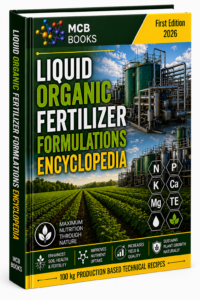
Professional Liquid Organic Fertilizer Formulations
Developing a successful liquid organic fertilizer requires more than simply combining ingredients. Product stability, raw material compatibility, nutrient balance and formulation design all influence the quality and performance of the final product.
Manufacturers often spend considerable time testing different ingredient combinations before achieving a stable and commercially viable product. Access to proven formulation knowledge can significantly reduce development time and help avoid costly production mistakes.
The LIQUID ORGANIC FERTILIZER FORMULATIONS ENCYCLOPEDIA provides practical formulation knowledge for fertilizer manufacturers, entrepreneurs and product developers seeking commercial liquid fertilizer concepts and production guidance.
Inside the encyclopedia you will find:
✔ Liquid Organic Fertilizer Formulations
✔ Humic Acid Fertilizer Formulations
✔ Fulvic Acid Fertilizer Formulations
✔ Organic Plant Nutrition Products
✔ Commercial Production Methods
✔ Raw Material Selection Guidelines
✔ Product Development Know-How
✔ Manufacturing and Processing Information
Why Are Humic and Fulvic Acids Used in Liquid Organic Fertilizers?
Many manufacturers include humic acid and fulvic acid in liquid organic fertilizer products because these ingredients are widely recognized throughout the agricultural industry. As demand for sustainable farming continues to increase, interest in liquid organic fertilizer formulations containing humic substances has grown significantly.
While individual formulations may differ, humic and fulvic acids are commonly incorporated into products designed for soil applications, irrigation systems and general crop nutrition programs. Their popularity has made them important ingredients in many commercial organic fertilizer product lines.
Growing Demand for Liquid Organic Fertilizers
The global agricultural market continues to move toward products that support more sustainable production practices. As a result, liquid organic fertilizers have become an important category for fertilizer manufacturers and distributors seeking new product opportunities.
Many companies are expanding their portfolios with products that combine humic acid, fulvic acid, organic nutrients and other plant nutrition ingredients. This trend has created increasing demand for reliable formulation knowledge and practical production guidance.
Product Development and Manufacturing
Creating a successful liquid humic acid organic fertilizer involves more than selecting ingredients. Manufacturers must also consider product stability, ingredient compatibility, storage performance and overall formulation consistency.
Small differences in formulation design can influence product appearance, handling characteristics and long-term stability. For this reason, many companies invest significant time and resources into product development before launching new fertilizer products.
Commercial Opportunities in Organic Fertilizers
The market for organic fertilizer products continues to expand in many regions of the world. Growers are increasingly looking for products that fit modern agricultural practices while manufacturers are seeking opportunities to develop competitive and differentiated product lines.
Companies that understand liquid organic fertilizer formulation, raw material selection and production concepts are often better positioned to respond to changing market demands and customer expectations.
SUMMARY
Interest in liquid humic acid organic fertilizer products continues to grow as agriculture evolves toward more sustainable production systems. Understanding formulation principles, ingredient selection and production concepts can help manufacturers develop more competitive products and reduce costly trial-and-error development work.
For companies seeking practical formulation knowledge and commercial production guidance,
the
LIQUID ORGANIC FERTILIZER FORMULATIONS ENCYCLOPEDIA
provides valuable information for developing market-ready liquid fertilizer products and expanding organic fertilizer portfolios.