Calcium Fertilizers for Fruit Quality and Shelf Life Improvement
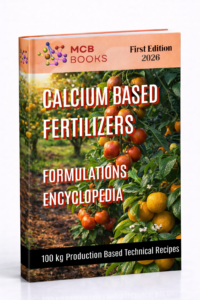
Calcium fertilizers are essential for enhancing fruit quality, extending shelf life, and reducing post-harvest losses in modern agriculture. As a key secondary nutrient, calcium plays a critical role in strengthening cell walls, maintaining membrane stability, and regulating nutrient transport within plant tissues. These functions directly impact fruit firmness, resistance to mechanical damage, and overall storage performance. The Calcium Fertilizers for Fruit Quality and Shelf Life Improvement highlights the importance of calcium nutrition and how proper formulations can significantly improve marketable yield and product quality.
One of the primary benefits of calcium in fruit production is its ability to improve firmness. Calcium strengthens the structure of plant cell walls by forming stable complexes with pectins, which helps fruits maintain their shape and resist softening. This is particularly important for crops such as apples, tomatoes, strawberries, and citrus fruits, where firmness is a key quality parameter. Improved firmness not only enhances the visual appeal of fruits but also reduces damage during harvesting, transportation, and storage.
Calcium also plays a vital role in extending shelf life by slowing down the ripening process. Adequate calcium levels help regulate enzyme activity and delay the breakdown of cell walls, reducing the rate of fruit softening and decay. This results in longer storage periods and better resistance to post-harvest diseases. Farmers and producers benefit from reduced losses and improved profitability, especially in export markets where extended shelf life is crucial.
Calcium deficiency in fruits can lead to serious quality issues such as blossom end rot, bitter pit, and internal breakdown. These disorders not only reduce yield but also significantly affect the market value of the produce. Applying calcium fertilizers in a timely and efficient manner helps prevent these problems and ensures consistent fruit quality.
Calcium fertilizers are available in various formulations, including liquid solutions, water-soluble powders, and granular products. Liquid calcium fertilizers are widely used for foliar applications due to their rapid absorption and immediate effect. Calcium nitrate and calcium chloride are commonly used in these formulations, providing quick calcium availability during critical growth stages. Foliar applications are particularly effective in correcting deficiencies during fruit development.
Water-soluble powder formulations are also popular, especially in fertigation systems. These fertilizers can be easily dissolved in water and applied directly to the root zone, ensuring efficient nutrient uptake. Granular calcium fertilizers, such as those based on calcium sulfate (gypsum), are used for soil application and provide a slow and sustained release of calcium, improving soil structure and long-term fertility.
The effectiveness of calcium fertilizers depends on proper formulation and application techniques. Maintaining optimal pH levels, ensuring compatibility with other nutrients, and using high-quality raw materials are essential for achieving the best results. Advanced formulations may include stabilizers or chelated calcium forms to enhance nutrient availability and prevent losses.
Quality control and proper production processes are also critical to ensure consistent fertilizer performance. Parameters such as solubility, nutrient concentration, and physical properties must be carefully monitored. Proper packaging and storage conditions help maintain product stability and effectiveness over time.
With increasing consumer demand for high-quality fruits and longer shelf life, calcium fertilizers have become an indispensable tool in modern agriculture. Farmers are increasingly adopting advanced calcium nutrition strategies to improve crop value and reduce post-harvest losses.
In conclusion, calcium fertilizers play a crucial role in improving fruit quality and extending shelf life. By using well-formulated products and proper application methods, growers can achieve better crop performance, reduce losses, and increase profitability. The Calcium Fertilizers for Fruit Quality and Shelf Life Improvement provides valuable insights for optimizing calcium nutrition and achieving superior agricultural outcomes.