Selective vs Non-Selective Herbicides | Key Differences Explained
Herbicides are essential tools in modern agriculture, used to control weeds and improve crop productivity. Among the most important classifications of herbicides are selective and non-selective herbicides. Understanding the key differences between these two types is crucial for farmers, agronomists, and agrochemical manufacturers, as choosing the right herbicide directly impacts crop safety, effectiveness, and overall yield.
Selective herbicides are designed to target specific types of weeds without harming the crop. These herbicides work by exploiting biological differences between plant species, allowing them to eliminate unwanted vegetation while leaving the main crop unaffected. For example, certain selective herbicides can control broadleaf weeds in cereal crops such as wheat or maize. This selectivity makes them highly valuable in crop production systems where maintaining plant health is essential.
In contrast, non-selective herbicides are formulated to destroy all types of vegetation they come into contact with. These herbicides are highly effective for clearing land, controlling weeds in non-crop areas, or preparing fields before planting. One of the most well-known non-selective herbicides is glyphosate, which works systemically by inhibiting a key enzyme required for plant growth. Because non-selective herbicides do not distinguish between weeds and crops, they must be applied carefully to avoid damage to desirable plants.
Another major difference between selective and non-selective herbicides lies in their mode of action and application timing. Selective herbicides are typically applied during crop growth, allowing farmers to manage weeds without interrupting the crop cycle. Non-selective herbicides are often used before planting or in situations where complete vegetation removal is required. This difference in timing plays a critical role in integrated weed management strategies.
From a formulation perspective, both selective and non-selective herbicides are available in various forms, including emulsifiable concentrates (EC), suspension concentrates (SC), soluble liquids (SL), wettable powders (WP), and water-dispersible granules (WG). The choice of formulation affects factors such as stability, ease of application, and environmental impact. Proper formulation ensures that the herbicide performs effectively under different field conditions.
Environmental and safety considerations also differ between the two types. Selective herbicides are generally designed to minimize impact on crops and surrounding vegetation, while non-selective herbicides require careful handling to prevent unintended damage. Modern formulation technologies aim to improve precision and reduce environmental risks for both types.
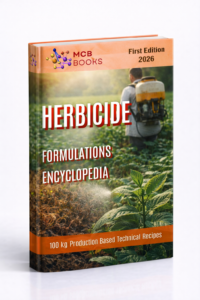
For professionals and manufacturers seeking detailed knowledge of herbicide formulation and production, the Herbicide Formulations Encyclopedia provides comprehensive insights into industrial formulations, raw material selection, and advanced production techniques used in the agrochemical industry.
In conclusion, selective and non-selective herbicides serve different purposes in agriculture. Selective herbicides are ideal for targeted weed control within crops, while non-selective herbicides are best suited for complete vegetation removal. By understanding their differences, users can choose the most appropriate solution to achieve effective weed management and maximize agricultural productivity.