Urea is one of the most widely used nitrogen fertilizers in the world, containing about 46% nitrogen, which makes it highly concentrated and cost-effective. For farmers and fertilizer manufacturers, understanding how to use urea properly is essential to maximize crop yield, reduce nitrogen losses, and improve overall efficiency.
Urea is a fast-acting nitrogen source that supports vegetative growth, leaf development, and chlorophyll formation. It is commonly used in crops such as wheat, corn, rice, vegetables, and fruit trees. However, while urea is highly effective, improper use can lead to nitrogen losses through volatilization, leaching, or runoff.
One of the most important aspects of using urea fertilizers is application timing. Urea should be applied when crops are actively growing and able to absorb nitrogen. Split applications are often recommended, where the total nitrogen dose is divided into multiple applications throughout the growing season. This approach improves nitrogen use efficiency and reduces losses.
Application method also plays a critical role. Broadcasting urea on the soil surface is common, but it increases the risk of ammonia volatilization, especially in warm and alkaline soils. To minimize this, urea should be incorporated into the soil through irrigation, rainfall, or mechanical mixing. Subsurface application or band placement is even more effective, as it places nitrogen closer to plant roots and reduces environmental losses.
Soil conditions significantly influence urea performance. In high pH soils, nitrogen losses through ammonia volatilization can be substantial. In such cases, using urease inhibitors or applying urea before rainfall can help reduce losses. In sandy soils, where leaching is a concern, smaller and more frequent applications are recommended to maintain nutrient availability.
Urea can also be used in fertilizer formulations, including granular NPK fertilizers. In these systems, urea acts as a primary nitrogen source and is combined with phosphorus and potassium materials to create balanced nutrient products. Proper formulation ensures that urea is evenly distributed within granules, improving nutrient delivery and reducing segregation.
Another important consideration is moisture management. Urea is highly soluble and hygroscopic, meaning it can absorb moisture from the air. This can lead to caking during storage if not properly handled. Storing urea in dry, well-ventilated conditions and using anti-caking agents when necessary helps maintain product quality.
For foliar applications, urea can be dissolved in water and sprayed directly onto plant leaves. This method provides rapid nitrogen uptake, especially during periods of high demand. However, concentration must be carefully controlled to avoid leaf burn, particularly in sensitive crops.
Environmental impact is another key factor. Excessive or improper use of urea can lead to nitrogen losses that contribute to environmental pollution. By using best management practices—such as proper timing, placement, and dosage—farmers can significantly improve nitrogen efficiency while reducing environmental risks.
From a commercial perspective, urea remains a cornerstone of fertilizer production due to its high nitrogen content and affordability. Manufacturers often use urea in combination with other raw materials to create customized fertilizer products tailored to specific crops and regions.
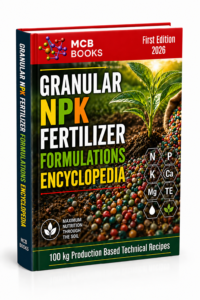
For those looking to develop advanced fertilizer products and formulations, including urea-based NPK systems, the Granular NPK Fertilizer Formulations Encyclopedia provides detailed 100 kg production-based recipes, raw material strategies, and industrial manufacturing processes. It is an essential resource for fertilizer producers, agribusiness professionals, and entrepreneurs aiming to create high-performance agricultural products.