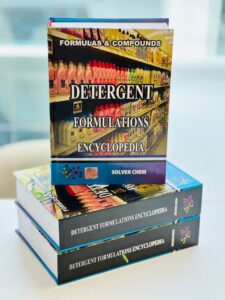
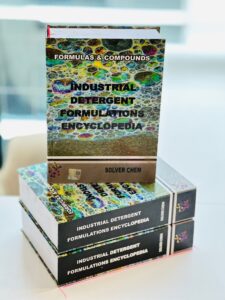
Introduction
Powder detergent performance depends heavily on the quality and balance of its raw materials. While the production process is important, the real difference between a basic detergent and a high-performance product lies in the formulation.
Many people focus on “how to make detergent,” but understanding the function of each ingredient is what truly determines product quality.

If you want to understand how raw materials are combined into real working formulations, this resource provides practical and industry-based knowledge.
👉 DETERGENT FORMULATIONS ENCYCLOPEDIA
Main Raw Materials Used in Powder Detergent
Powder detergents are made from a combination of several key material groups:
Surfactants
These are the main cleaning agents responsible for removing dirt and grease.
Common examples include:
- Linear Alkylbenzene Sulfonate (LAS)
- Alcohol ethoxylates
- Soap-based surfactants
Builders
Builders improve the efficiency of surfactants by softening water and enhancing cleaning power.
Typical builders:
- Sodium carbonate
- STPP (Sodium tripolyphosphate)
- Zeolites
Fillers
Fillers are used to adjust product density and reduce cost without significantly affecting performance.
Common fillers:
- Sodium sulfate
Additives
These improve performance and user experience:
- Enzymes (for stain removal)
- Optical brighteners
- Fragrances
- Anti-redeposition agents
Why Raw Material Selection Is Critical
Choosing the right raw materials is not just about availability—it directly affects:
- Cleaning efficiency
- Product stability
- Solubility
- Consumer satisfaction
Even small changes in ingredient ratios can significantly impact performance.
👉 For a complete explanation of how these materials are combined into real formulations, see:
https://makingchembooks.com/making-powder-detergent-and-methods/
Common Mistakes in Raw Material Usage
Many beginners face similar issues due to incorrect material selection:
- Using low-quality fillers
- Incorrect surfactant ratios
- Incompatible ingredient combinations
- Poor solubility and residue problems
These mistakes usually result from incomplete formulation knowledge.
Powder vs Liquid Raw Materials
Although powder and liquid detergents share some ingredients, their formulation systems differ significantly.
- Powder detergents rely more on builders and fillers
- Liquid detergents require stabilizers and preservatives
- Powder systems are generally more stable
👉 You can also explore liquid detergent production here:
https://makingchembooks.com/liquid-detergent-manufacturing-process/
SUMMARY
Powder detergent quality is determined by the correct selection and balance of raw materials. While understanding each ingredient is essential, real success comes from combining these materials into stable and effective formulations. For manufacturers and entrepreneurs, moving from basic material knowledge to professional formulation systems is the key to producing high-quality detergent products.