INTRODUCTION
If you are searching for a liquid laundry detergent formula, you are most likely planning to produce your own detergent product. However, most formulas available online are simplified and not suitable for real production.
They may work at a basic level, but they often fail in cleaning performance, stability, and long-term shelf life.
👉 The truth is simple: a detergent product that can actually be sold requires a professional formulation system.
If your goal is to build a real product and enter the market, you need more than a basic recipe.
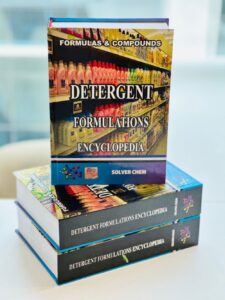
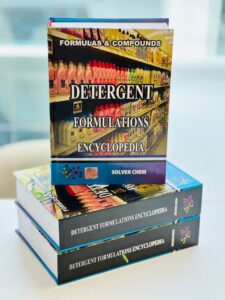
Discover advanced detergent formulations in the Detergent Formulations Encyclopedia, developed by a chemical engineer with over 40 years of experience.
This resource covers a wide range of detergent formulations used in real production environments.
✔ Liquid detergent systems
✔ Industrial cleaning formulations
✔ Surfactant-based cleaning technologies
✔ Scalable production methods
👉 Designed for manufacturers and entrepreneurs who want to produce products that actually work in the market.
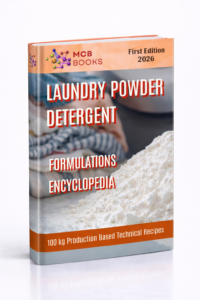
In addition to liquid systems, powder detergents are widely used in industrial and commercial cleaning applications.
👉 If you are planning to expand your product line, powder formulations offer:
- cost-effective production
- long shelf life
- high-volume manufacturing advantages
👉 You can explore powder-based systems in the:
LAUNDRY POWDER DETERGENT FORMULATIONS ENCYCLOPEDIA
WHY MOST LAUNDRY FORMULAS FAIL
Most free or basic formulas fail for one simple reason:
- incorrect surfactant balance
- unstable viscosity
- weak cleaning performance
- poor compatibility with water hardness
👉 These problems make the product unusable in real market conditions.
REAL INDUSTRIAL FORMULATION APPROACH
In real detergent manufacturing, formulations are not random.
They are carefully designed to achieve:
- strong cleaning performance
- stable viscosity over time
- compatibility with different water types
- cost-effective production
👉 This balance is what makes a product commercially successful.
PRODUCTION PROCESS
A typical liquid laundry detergent production process includes:
- preparation of water phase
- controlled addition of surfactants
- viscosity adjustment using thickeners
- addition of builders and stabilizers
- final blending and quality control
However, these steps only work when the formulation is correct.
FORMULATION NOTE
Note:
This article explains the basic structure of liquid detergent production.
👉 The complete formulation with exact raw materials, ratios, and industrial production methods is included in:
DETERGENT FORMULATIONS ENCYCLOPEDIA
Start Your Own Detergent Business Today
If you are serious about producing and selling detergent products, basic formulas are not enough.
✔ Industrial formulations that actually work
✔ Scalable production systems
✔ Raw material alternatives and cost optimization
👉 Get access to professional formulation systems and start producing with confidence.
Limited Time: Get Instant Access to Professional Formulations
Start producing your own products today and avoid months of trial and error.
SUMMARY
Liquid laundry detergent formulations may seem simple, but creating a product that performs well in the market requires more than a basic formula. Real success comes from using tested formulation systems combined with proper production processes.