 Essential Micronutrients for Plants and How to Formulate Them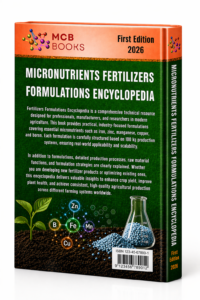
Micronutrients are essential elements required by plants in small quantities, yet they play a critical role in ensuring healthy growth, high yields, and strong resistance to environmental stress. Key micronutrients such as iron (Fe), zinc (Zn), manganese (Mn), copper (Cu), boron (B), and molybdenum (Mo) are involved in vital plant processes including enzyme activation, chlorophyll formation, and nutrient metabolism. Understanding these essential micronutrients and how to formulate them into effective fertilizers is fundamental for manufacturers and agricultural professionals.
Iron is one of the most important micronutrients, especially for chlorophyll synthesis and photosynthesis. Iron deficiency often results in chlorosis, where leaves turn yellow due to lack of chlorophyll. Zinc plays a key role in growth hormone production and enzyme activity, while manganese supports photosynthesis and nitrogen metabolism. Copper is essential for protein formation and reproductive growth, boron contributes to cell wall formation and nutrient transport, and molybdenum is crucial for nitrogen fixation in plants. A balanced supply of these micronutrients ensures optimal plant development and productivity.
Formulating micronutrient fertilizers begins with selecting appropriate raw materials and determining the right composition. Micronutrients can be sourced from various compounds such as sulfates, chlorides, nitrates, or chelated forms. The choice of raw material depends on factors such as soil conditions, crop requirements, and intended application method. A well-designed formulation ensures that nutrients are available to plants without causing toxicity or incompatibility with other inputs.
One of the most effective approaches in micronutrient fertilizer formulation is the use of chelation technology. Chelated micronutrients, such as those based on EDTA, DTPA, and EDDHA, enhance nutrient stability and availability. These chelating agents bind micronutrient ions, preventing them from reacting with soil components that could make them unavailable to plants. This is particularly important in alkaline soils, where micronutrient deficiencies are more common. By incorporating chelated forms into formulations, manufacturers can significantly improve fertilizer efficiency.
Micronutrient fertilizers can be formulated in different forms, including liquid solutions, water-soluble powders, and granules. Liquid formulations are ideal for foliar applications and fertigation systems due to their fast absorption and ease of use. Powder formulations offer advantages such as longer shelf life and easy transportation, while granular products provide controlled nutrient release and are suitable for soil application. Each formulation type requires specific production techniques to ensure stability and performance.
The production process involves several key steps, including raw material selection, precise weighing, controlled mixing, and quality control. In liquid formulations, maintaining the correct pH and mixing sequence is essential to prevent precipitation and ensure long-term stability. For powder formulations, uniform particle size and low moisture content are critical for easy dissolution and consistent nutrient delivery. Quality control measures such as pH testing, solubility analysis, and nutrient verification are essential to ensure product reliability.
With increasing demand for high-efficiency fertilizers, micronutrient formulations are becoming more important in sustainable agriculture. Farmers are seeking products that deliver precise nutrition and improve crop performance under various conditions. By understanding essential micronutrients and mastering formulation techniques, manufacturers can develop innovative fertilizers that meet these demands.
In conclusion, essential micronutrients are vital for plant health and agricultural success. Proper formulation techniques ensure that these nutrients are delivered effectively and efficiently to plants. The Essential Micronutrients for Plants and How to Formulate Them approach provides valuable insights into developing high-quality fertilizers, making it an essential resource for professionals in the fertilizer industry.