High-Profit Fertilizer Formulations: Micronutrient Encyclopedia Guide
 Micronutrient fertilizers have emerged as one of the most profitable segments in the global agricultural industry. As modern farming increasingly
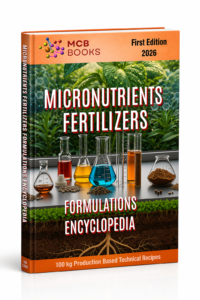
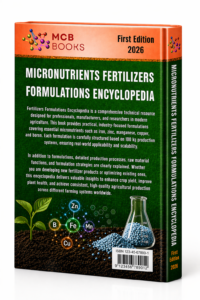 focuses on precision nutrition and high-efficiency inputs, the demand for micronutrient-based fertilizers continues to grow. Elements such as iron (Fe), zinc (Zn), manganese (Mn), copper (Cu), boron (B), and molybdenum (Mo) play essential roles in plant metabolism, enzyme activation, and crop quality. The High-Profit Fertilizer Formulations: Micronutrient Encyclopedia Guide provides a strategic and technical roadmap for manufacturers looking to develop high-value fertilizer products and maximize profitability.
One of the key factors behind the profitability of micronutrient fertilizers is their high efficiency and targeted application. Unlike bulk fertilizers, micronutrient products are used in smaller quantities but deliver significant improvements in crop yield and quality. This makes them highly attractive to farmers, especially in regions with nutrient-deficient or alkaline soils. By leveraging advanced formulations, manufacturers can create premium products that command higher market prices.
The encyclopedia guide offers a wide range of industrial-grade formulations designed for commercial production. These include liquid micronutrient fertilizers, water-soluble powders, suspension concentrates, and granular formulations. Each formula is carefully optimized for solubility, stability, and compatibility with various agricultural practices such as foliar spraying, fertigation, and soil application. By using ready-to-implement formulations, manufacturers can significantly reduce research and development costs while accelerating time to market.
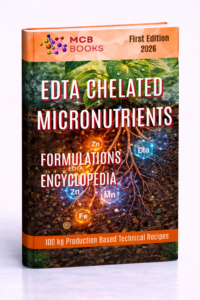
Chelation technology is a major driver of high-performance micronutrient fertilizers. Chelated micronutrients, such as EDTA, DTPA, and EDDHA complexes, improve nutrient availability and prevent fixation in the soil. This ensures that plants can absorb nutrients more efficiently, leading to better crop performance. The encyclopedia guide provides detailed insights into how to incorporate chelating agents into formulations and optimize their effectiveness for different soil conditions.
From a manufacturing perspective, producing high-profit micronutrient fertilizers requires efficient and scalable processes. The guide outlines essential production steps, including raw material selection, precise weighing, controlled mixing, dissolution or granulation, quality control, and packaging. By following these standardized methods, manufacturers can achieve consistent product quality while minimizing production costs and waste.
Another important aspect of profitability is product diversification. The encyclopedia includes premium, standard, and economical formulations, allowing manufacturers to target multiple market segments. Premium products can be positioned for high-value crops and professional farmers, while economical formulations can cater to large-scale agricultural markets. This flexibility enables businesses to expand their customer base and increase overall revenue.
Quality control is also emphasized as a critical factor in maintaining profitability. Ensuring that each batch meets specifications for pH, solubility, and nutrient content helps build customer trust and brand reputation. Reliable products lead to repeat business and long-term market success.
With the global shift toward sustainable agriculture and efficient resource use, micronutrient fertilizers are gaining even greater importance. Farmers are seeking solutions that improve crop performance while reducing environmental impact. High-quality micronutrient formulations meet these requirements, making them a valuable addition to any fertilizer portfolio.
In conclusion, the High-Profit Fertilizer Formulations: Micronutrient Encyclopedia Guide is both a technical and strategic resource for manufacturers. It provides the knowledge and tools needed to develop high-performance fertilizers, optimize production processes, and capitalize on the growing demand for micronutrient solutions. By combining formulation expertise with business insight, this guide helps transform fertilizer production into a highly profitable venture.