Introduction
Car tyre shiners are among the most visible products in automotive detailing, designed to enhance appearance, restore rubber surfaces, and provide long-lasting protection.
However, producing a high-quality tyre shiner is not just about creating shine. The formulation must ensure proper adhesion, balanced gloss, and durability without attracting excessive dust or leaving a greasy finish.
In real production, tyre shiners are not developed as standalone products. They are part of a broader surface protection and detailing system, working together with waxes, polishing compounds, and restoration products.
👉 This type of formulation approach is commonly included in professional resources such as the
Car Polish & Wax Surface Protection Formulations Encyclopedia,
where tyre care products are developed alongside complete protection systems.
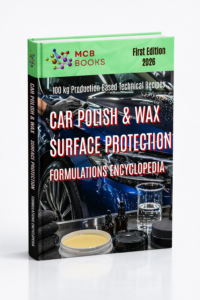
Includes tyre shiners, trim restorers, polishing systems, and advanced surface protection formulations.
What is a Car Tyre Shiner?
A tyre shiner is a formulation designed to improve the visual appearance of tyres while protecting rubber surfaces from environmental damage.
Depending on the formulation, it can provide:
- glossy or satin finish
- water repellency
- UV protection
- surface conditioning
Typical formulations include:
- silicone emulsions or oils for shine
- water or solvent carriers
- surfactants for spreading
- additives for durability and performance
The formulation must balance shine and performance to achieve a professional finish.
More Than Just a Shine Product
Many beginners see tyre shiners as simple cosmetic products.
However, in professional detailing, they are part of a complete workflow that includes:
- surface cleaning
- correction
- protection
- maintenance
👉 This means tyre shiners must be compatible with both cleaning products and protective systems.
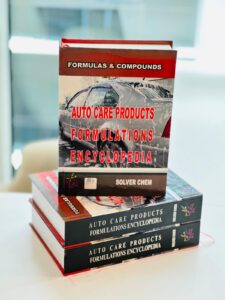
👉CAR CARE PRODUCTS FORMULATIONS ENCYCLOPEDIA
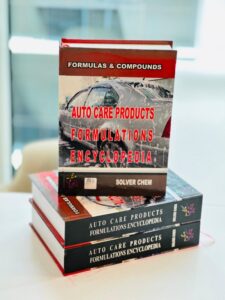
Start your product line with professional cleaning systems used before surface protection.
Interior and Exterior Product Balance
While tyre shiners are used on exterior rubber surfaces, a complete automotive product range includes interior detailing solutions as well.
This ensures consistency across all surfaces of the vehicle.
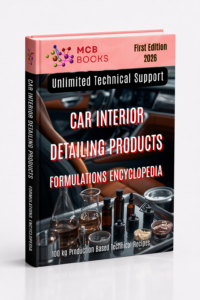
👉 CAR INTERIOR DETAILING PRODUCTS FORMULATIONS ENCYCLOPEDIA
From Basic Shine to Long-Term Protection
Modern tyre shiners go beyond simple appearance.
Advanced formulations provide:
- longer-lasting finish
- anti-static effects
- UV resistance
- improved durability
These features place tyre shiners in the same category as surface protection systems, working together with waxes and coatings.
Expanding into Advanced Automotive Chemicals
As production grows, many manufacturers expand into more technical areas such as:
- performance additives
- specialized automotive chemicals
- fuel system treatments
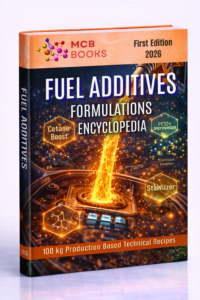
👉 FUEL ADDITIVES FORMULATIONS ENCYCLOPEDIA
SUMMARY
A car tyre shiner is not just a visual product — it is part of a complete surface protection and detailing system.
In professional production, these formulations are developed alongside wax, polish, and cleaning products to ensure compatibility and consistent performance.
The Car Polish & Wax Surface Protection Formulations Encyclopedia provides a structured approach to developing tyre shiners and related products. When combined with complementary formulation systems, it becomes possible to build a complete and scalable automotive product line.
👉 Instead of producing a single product, this approach allows you to build a full automotive detailing and chemical system.
Related Articles
If you are looking beyond a single product and want to understand how these formulations fit into a complete system:
👉 Car Care Formulation System (Complete Automotive Product Line & Production Guide)
This guide explains how cleaning products, detailing systems, surface protection solutions, and advanced automotive chemicals are developed together as a complete production system.
Build a Complete Automotive Product Line
If your goal is to produce high-performance tyre shiners and expand into a full product range, working with connected formulation systems is essential.