
 Plant-derived and animal-derived amino acid powders are both produced by breaking down protein-rich raw materials into smaller peptides and free amino acids. Although the final products may serve similar agricultural and industrial purposes, their raw materials, hydrolysis behavior, composition, processing requirements, and market positioning can differ significantly.
The first major difference is the protein source. Plant-derived amino acid powders are commonly produced from soybean, corn, wheat, pea, rice, and other vegetable proteins. Animal-derived amino acid powders may be produced from collagen-rich tissues, feathers, blood proteins, fish by-products, hides, or other suitable animal protein sources.
These raw material differences directly influence the manufacturing process. Plant proteins may be processed through enzymatic, acid, alkaline, or combined hydrolysis methods. Enzymatic hydrolysis is particularly attractive when manufacturers want milder processing conditions and better control over peptide distribution.
Animal proteins may also require acid, alkaline, or enzymatic hydrolysis, but pretreatment conditions can differ considerably depending on the protein structure. Keratin-rich materials, collagen, fish proteins, and blood proteins each require different preparation and hydrolysis strategies.
Another important difference is the amino acid and peptide profile. Plant-derived products reflect the composition of the original vegetable protein and may contain varying proportions of amino acids depending on the source material. Animal-derived materials can provide different amino acid distributions and may contain higher levels of certain amino acids associated with collagen, keratin, or other structural proteins.
The two product groups can also differ in color, odor, ash content, solubility, and processing behavior. Plant-derived hydrolysates may carry pigments, carbohydrates, or other plant-origin components that require clarification and purification. Animal-derived hydrolysates may require additional odor control, decolorization, fat removal, or specialized filtration depending on the starting material.
Following hydrolysis, both processes generally include solid-liquid separation, purification, concentration, drying, milling, sieving, and packaging. Spray drying is commonly used to convert concentrated amino acid solutions into stable powders suitable for storage and formulation.
In agricultural applications, plant-derived amino acid powders are widely used in biostimulants, foliar fertilizers, fertigation products, plant nutrition formulations, and specialty fertilizers. They are often preferred when a fully plant-origin product claim is commercially important.
Animal-derived amino acid powders can also be used in fertilizers and biostimulant formulations, particularly where their specific amino acid or peptide composition provides useful functional characteristics. Product selection ultimately depends on formulation objectives, regulatory requirements, customer preferences, and raw material availability.
From a quality control perspective, both product types may be evaluated for total amino acids, free amino acids, moisture, pH, ash, solubility, particle size, bulk density, color, and appearance. Additional tests may be required depending on the raw material source and intended market.
The choice between plant-derived and animal-derived amino acid powder is therefore not simply a question of which product is better. Each manufacturing route has different technical advantages, processing challenges, cost factors, and application opportunities.
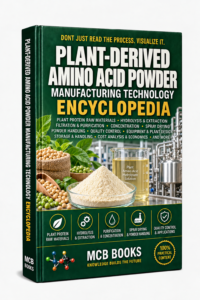
The PLANT-DERIVED AMINO ACID POWDER MANUFACTURING TECHNOLOGY ENCYCLOPEDIA provides detailed technical information on vegetable protein raw materials, hydrolysis technologies, separation, purification, concentration, drying, process equipment, quality control, and industrial plant-derived amino acid powder production.