Tag Archives: naa fruit setting

100 KG NAA PLANT GROWTH REGULATOR FORMULAS FOR ROOT DEVELOPMENT, FRUIT SETTING, FRUIT THINNING AND OTHER AGRICULTURAL APPLICATIONS
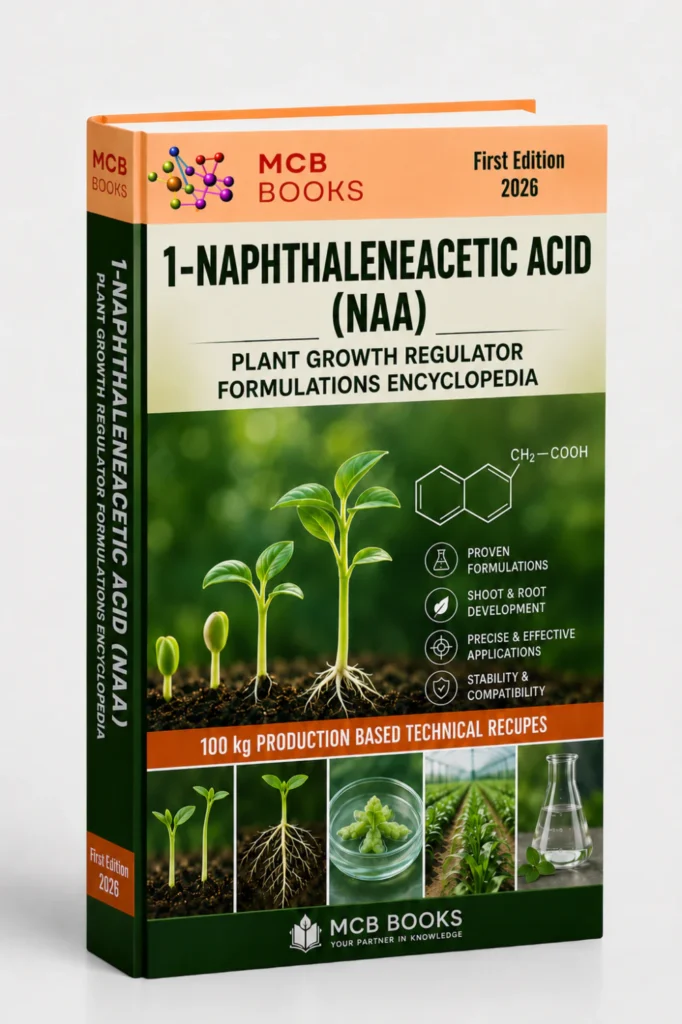
1-Naphthaleneacetic acid (NAA) is a synthetic auxin-type plant growth regulator widely used in professional agriculture, horticulture, fruit production and nursery applications. Depending on concentration, crop type, growth stage and application method, NAA can be used to support root development, regulate fruit set, promote fruit thinning, reduce premature fruit drop and influence several other physiological processes. […]

1-NAPHTHALENEACETIC ACID (NAA) PLANT GROWTH REGULATOR FORMULATIONS ENCYCLOPEDIA: COMPLETE GUIDE TO NAA FORMULATIONS, APPLICATIONS AND COMMERCIAL PRODUCTION

1-Naphthaleneacetic acid (NAA) is a synthetic auxin-type plant growth regulator widely used in agriculture, horticulture and nursery production. It is applied for specific physiological purposes such as promoting adventitious root formation, improving fruit set under suitable conditions, regulating fruit thinning, reducing premature fruit drop and influencing plant growth responses. Because NAA activity depends strongly on […]

COMPLETE GUIDE TO FRUIT SETTING REGULATORS IN MODERN AGRICULTURE

Fruit setting regulators have become one of the most essential tools in modern agriculture, playing a decisive role in improving crop yield, fruit quality, and production consistency. In many crops, flowering is abundant, but only a limited number of flowers successfully develop into fruits. This gap between flowering and fruit formation is often caused by […]

FRUIT SET ENHANCEMENT IN AGRICULTURE: HORMONES, FORMULAS AND PRODUCTION METHODS

Fruit set enhancement is a critical objective in modern agriculture, as it directly determines crop yield, fruit quality, and overall economic return. While many plants naturally produce flowers in abundance, only a portion of these flowers successfully develop into fruits. This limitation is often caused by environmental stress, poor pollination, nutrient deficiencies, or hormonal imbalances […]