Active Ingredients in Herbicides | Complete Guide
Active ingredients in herbicides are the core chemical compounds responsible for controlling or eliminating unwanted plants. These ingredients determine how a herbicide works, which weeds it targets, and how effective it is under different agricultural conditions. Understanding active ingredients is essential for farmers, agronomists, and manufacturers who aim to select or develop high-performance herbicide products.
Herbicide active ingredients function by interfering with critical biological processes in plants. One of the most widely used active ingredients is glyphosate, a systemic herbicide that inhibits an enzyme involved in amino acid synthesis. This process ultimately stops plant growth and leads to plant death. Another common group includes auxin-type herbicides such as 2,4-D, which disrupt normal plant growth patterns, causing uncontrolled growth and eventual destruction of the weed.
Photosynthesis inhibitors represent another important class of herbicide active ingredients. Compounds such as atrazine block the photosynthetic process, preventing plants from producing the energy they need to survive. Similarly, ACCase inhibitors target lipid synthesis in grasses, making them highly effective for controlling grassy weeds without affecting broadleaf crops.
In addition to their mode of action, active ingredients are selected based on their selectivity and environmental behavior. Selective herbicides contain active ingredients that target specific plant types, while non-selective herbicides affect all vegetation. The choice of active ingredient depends on the crop type, weed species, and application timing. Environmental factors such as soil type, temperature, and moisture also influence the performance of these chemicals.
Herbicide formulations are designed to enhance the performance of active ingredients. While the active ingredient provides the weed control effect, formulation components such as surfactants, solvents, and stabilizers improve absorption, stability, and ease of application. Without proper formulation, even the most effective active ingredient may not perform as expected in field conditions.
Modern herbicide development focuses on improving the efficiency and safety of active ingredients. Advances in formulation technology allow for better delivery systems, reduced application rates, and lower environmental impact. Manufacturers are also working to develop new active ingredients with improved selectivity and resistance management capabilities to address evolving weed challenges.
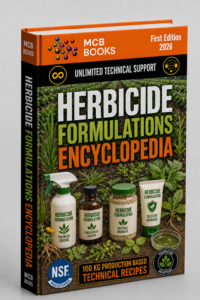
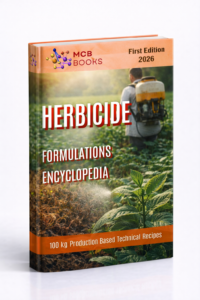
For professionals and manufacturers seeking in-depth knowledge of herbicide formulation and production, the Herbicide Formulations Encyclopedia provides comprehensive insights into real industrial formulations, active ingredient selection, and advanced manufacturing techniques used in the agrochemical industry.
In conclusion, active ingredients are the most critical component of any herbicide, determining its effectiveness and mode of action. By understanding the different types of active ingredients and how they function, users and manufacturers can make informed decisions that lead to better weed control and improved agricultural productivity.