
 Animal-derived and plant-derived amino acid powders are both produced by breaking down protein-rich raw materials into smaller peptides and free amino acids. Although their final products may serve similar industrial purposes, they differ significantly in raw material sources, hydrolysis behavior, processing requirements, composition, and potential applications.
Animal-derived amino acid powder is manufactured from protein-rich animal materials such as collagen-containing tissues, feathers, fish-derived proteins, and other approved animal protein sources. These materials generally contain high levels of structural proteins and may require intensive preparation before hydrolysis. Cleaning, size reduction, fat removal, and raw material conditioning can be important steps before the main production process begins.
Plant-derived amino acid powder, on the other hand, is produced from vegetable protein sources such as soybean meal, corn-derived proteins, wheat proteins, legumes, and other agricultural protein materials. Their protein composition and processing behavior differ from animal proteins, which directly influences the hydrolysis conditions and the amino acid profile of the finished product.
The central production stage for both types is protein hydrolysis. Acid, alkaline, enzymatic, or combined hydrolysis methods may be used depending on the raw material and targeted product characteristics. Animal proteins such as collagen or keratin can require different reaction conditions compared with plant proteins because of differences in molecular structure and resistance to hydrolysis.
After hydrolysis, both processes generally continue through filtration, clarification, purification, concentration, and drying. However, the amount of insoluble material, fat, mineral content, color compounds, odor-producing substances, and other impurities can vary considerably according to the protein source.
The finished powders may also differ in amino acid composition, peptide distribution, nitrogen content, solubility, color, odor, and application performance. These characteristics determine which product is more suitable for a particular formulation or industrial use.
Animal-derived and plant-derived amino acid powders can be used in agriculture, fertilizers, animal nutrition, biotechnology, fermentation processes, specialty formulations, and other technical applications, subject to local regulatory requirements and intended product specifications.
Selecting between the two therefore requires more than comparing total amino acid content. Manufacturers must consider raw material availability, hydrolysis efficiency, production cost, purification requirements, regulatory expectations, final product characteristics, and target market.
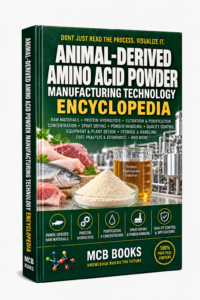
For professionals interested specifically in industrial animal-protein processing, the ANIMAL-DERIVED AMINO ACID POWDER MANUFACTURING TECHNOLOGY ENCYCLOPEDIA provides detailed guidance on raw materials, hydrolysis technologies, processing equipment, purification, concentration, drying, quality control, troubleshooting, and industrial-scale production.