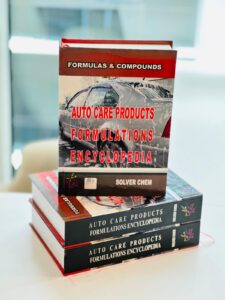
Car wash shampoo formula is essential for developing effective vehicle cleaning products that remove dirt, grease and road film while protecting the vehicle surface.
Car wash shampoos are one of the most widely produced products in the automotive cleaning industry. They are designed to remove dirt, dust, and road contaminants while maintaining the surface condition of the vehicle.
Although they may seem simple, the quality of a car wash shampoo depends heavily on its formulation. Small differences in ingredient selection and ratios can significantly affect foam behavior, cleaning performance, and rinsing.
For this reason, understanding the composition in detail is essential, especially for those looking to produce consistent and reliable products.
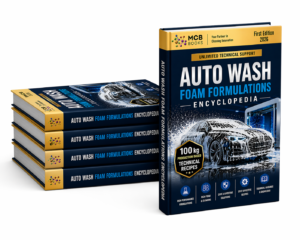
Includes touchless wash, foam systems, and ready-to-use shampoo formulations.
Car Wash Shampoo Formula Explained
A typical industrial formulation may include:
- Anionic surfactants: 10–20%
- Nonionic surfactants: 2–8%
- Foam boosters: 1–5%
- Water: balance
- Preservatives and additives: small amounts
This formulation ensures strong cleaning performance with stable foam and surface protection.
Ingredients and Their Functions
Each ingredient contributes to performance:
- Surfactants: remove dirt and grease
- Foam boosters: enhance foaming
- Water: carrier
- Additives: improve shine and stability
👉 Similar surfactant systems are used in Making Concentrated Car Tyre Shiner – Formula & Ingredients:
Basic Production Process
Car wash shampoos are usually produced through a simple mixing process.
Water is added first, followed by surfactants and other ingredients in a controlled order. The mixture is stirred until a stable and uniform product is obtained.
Even though the process is straightforward, small changes in ratios can affect the final result.
How This Fits into a Larger System
Car wash shampoos are usually the first step in a broader cleaning process.
They prepare the surface for:
- polishing
- protection
- further detailing
👉 If you want to see how these products fit into a complete system:
👉 Car Wash Products Formulation and Production Process
This gives a clearer picture of how different car wash products are used together rather than individually.
Benefits of Car Wash Shampoo
- Effective dirt removal
- High foam stability
- Safe for vehicle surfaces
- Enhances appearance
- Easy to apply
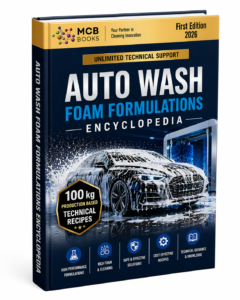
Advanced detailing formulations can be developed using the AUTO WASH FOAM FORMULATIONS ENCYCLOPEDIA.
Formulation Tips
- Balance surfactant ratios carefully
- Ensure stable foam formation
- Avoid harsh chemicals
- Maintain proper pH
Professional formulation strategies are detailed in the AUTO WASH FOAM FORMULATIONS ENCYCLOPEDIA.

Expand your automotive product range with formulations from the Fuel Additives Formulations Encyclopedia, covering performance-enhancing automotive chemicals.
Expanding Automotive Product Lines
Manufacturers producing car wash shampoos often expand into other automotive chemical products such as fuel additives, cleaners, and performance enhancers. These product groups complement car care formulations and increase market potential.
The Fuel Additives Formulations Encyclopedia provides detailed insights into these advanced automotive chemical systems.
Safety and Handling
- Use protective equipment
- Avoid direct contact with chemicals
- Store properly
- Follow safety standards
Frequently Asked Questions (FAQ)
What is car wash shampoo made of?
It is made from surfactants, foam boosters, and additives.
How does car shampoo work?
It removes dirt and contaminants while protecting surfaces.
Is car shampoo safe for paint?
Yes, when properly formulated.
What makes a good car wash shampoo?
Balanced surfactants, good foam, and surface safety.
Author
This content is prepared by a professional chemical engineer with over 40 years of industrial formulation experience.
SUMMARY
Car wash shampoo formulations are essential products in the automotive care industry, combining surfactants, foaming agents, and additives to deliver effective and safe cleaning performance. These products play a key role in vehicle maintenance and detailing systems.
Understanding formulation and production methods allows manufacturers to develop high-quality automotive cleaning products suitable for professional and consumer use.