

A member of the hibiscus family, okra has one of the most beautiful blooms in the vegetable garden. Okra is used as a natural thickener for soups and stews and is an essential ingredient in gumbo.
About This Plant
Okra is considered a “southern” crop because it thrive in hot weather. However, okra can be grown anywhere, although it bears most abundantly in regions with long, hot summers. Okra is often stewed with tomatoes, deep fried, pickled, boiled or steamed and served with butter, as well as eaten raw, fresh from the garden. Some folks don’t like okra’s gummy quality when it’s boiled or steamed, and it seems to be more popular when combined with other vegetables, fried or pickled.
Site Selection
Select a site with full sun, preferably on a southern slope for maximum warmth, and well-drained soil. Prepare the garden bed by using a garden fork or tiller to loosen the soil to a depth of 12 to 15 inches, then mix in a 2- to 4-inch layer of compost.
Planting Instructions
In warm regions, plant okra directly in the garden when the nights stay above 55 degrees F and the soil has warmed to 65 degrees F to 70 degrees F. In northern areas, start seeds indoors in peat pots several weeks before the soil warms up. Or direct seed through black plastic and cover the rows with plastic tunnels to hold in the heat. To hasten germination, soak seeds overnight in tepid water or freeze them to crack their coats. Sow seeds 1/2 to 1 inch deep, 3 to 4 inches apart. Set out transplants to stand 1 to 2 feet apart in rows 3 to 4 feet apart.
Care
When the seedlings are about 3 inches tall, thin to stand 1 to 2 feet apart. Provide at least 1 inch of water per week; more in hot, arid regions. When plants are young, cultivate lightly to eliminate weeds. Mulch heavily (4 to 8 inches) to keep weeds down and conserve moisture. Side-dress plants with rich compost. Side-dress three times: after thinning, when the first pods begin to develop, and at least once midway through the growing season. Contact your local County Extension office for controls of common okra pests such as flea beetles.
Harvesting
The first pods will be ready in 50 to 60 days. Harvest the pods when still immature (2 to 3 inches long). Pick at least every other day to encourage production. Wear gloves and long sleeves to avoid coming in contact with the irritating spines on the leaves and pods. Use a knife to cut the stem just above the cap.
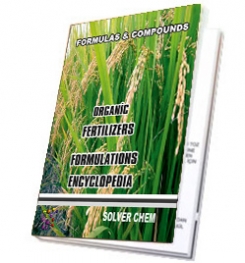
any liquid and solid organic fertilizer,
ORGANIC
FERTILIZERS
FORMULATIONS
ENCYCLOPEDİA
is enough.
This encyclopedia has many formulations about organic soil conditioner,humic acid productions,compositions,fulvic acid manufacturing,organic fertilizers,animal manure,amino acid organic fertilizers, organomineral powder fertilizers,organomineral liquid fertilizers productions,liquid root growth fertilizers formulas,granular root growth fertilizers,seaweed organic fertilizers,wermicompost fertilizers formulations,gel organic fertilizers,organomineral gel fertilizers manufacturing and any organic fertilizers etc.
All organic fertilizers in the encyclopedia are producible easily.You need no help and no technıcal support. The encyclopedia is enough to produce organic fertilizers itself.
ORGANIC
FERTILIZERS
FORMULATIONS
ENCYCLOPEDIA
is written clear and understandable.
RELATED TAGS: What is organic fertilizer,preparation of organic soil conditioner, liquid organic fertilizer manufacturing,animal manure manufacturing, manufacturing proces of animal manure,chicken manure,efficiency of humic acid in soil,effect of humic acid in plants, advantages of humic acid in agriculture, types of animal manure,seaweed fertilizer manufacturing process,production of liquid seaweed fertilizers, what is organic compost, preparation of organic compost,how to use organic compost,making organic compost, using of seaweed fertilizer,properties of seaweed organic fertilizers how to make liquid organic fertilizers, making organic compost,types of organic compost,manufacturing process of organic compost, how to make organic compost fertilizers, production of organic fertilizers,manufacturing process solid humic acid, formulation of humic acid,value of humic acid,manufacturing process of fulvic acid,how to produce humic acid,what is leoardite,where to use leonardite,types of leonardite,properties of leonardite,analyzes of leonardite,specification of leonardite, values of leonardite, what is leonardite humate,what is potassium humate, liquid humic acid preparation,powder humic acid production, granular soil conditioner manufacturing process, powder soil conditioner making,formulation of organic soil conditioner, making powder humic acid,humic acid production, composition of organic fertilizers,how to use organic fertilizers,why to use organic fertilizer,types of organic fertilizer,benefits of organic fertilizers,wermicompost fertilizers making, powder organic fertilizers,how to use organic fertilizers, making wermicompost fertilizer, formulation of seaweed fertilizers, amino acid fertilizer production,granular organic fertilizer,amino acid organic fertilizer manufacturing, properties of organic fertilizers, analyzes of organic fertilizer, specification of organic fertilizers, where to use organic fertilizers, what is soil amendments, humic acid making, how to make powder humic acid, manufacturing process of fulvic acid, herbal fulvic acid making, liquid humic acid process, formulation of humic acid,organic fertilizers for plants, organic fertilizers in agriculture, how to produce organic fertilizers, animal manure manufacturing process, herbal fertilizers, what is organic fertilizer compost, what is organic agriculture, how to make organic agriculture, advantages of organic fertilizers, effects of organic fertilizer, results of organic fertilizers, indications of organic fertilizers, symptoms of organic fertilizers, preparation of organic fertilizers, calculation of organic fertilizers, compounds of organic fertilizers,composition of liquid organic fertilizers, fertilization of organic fertilizers,why to use organic fertilizers.what is humate, types of humates,benefit of humate,potassium humate manufacturing process.,using powder soil conditioner, properties of granular soil conditioner,what is pellet organic soil conditioner.what is amino acid fertilizer, how to use organic amino acid fertilizsers,making amino acid fertilizers,formulation of amino acid fertilizers,manufacturing process of amino acid fertilizers, what is organic compost, where to use organic compost, types of organic compost in plants,benefits of organic compost in soil, preparation of organic compost in agriculture.
E – BOOKS AND HARD BOOKS
HOW TO BUY
AGRICULTURE ENCYCLOPEDIAS AND VIDEOS