Introduction
Cationic surfactants are the most important ingredients used in fabric softener formulations. These compounds are responsible for the softening effect that improves the feel, smoothness, and manageability of fabrics after washing.
Unlike anionic surfactants commonly used in detergents, cationic surfactants carry a positive charge. Textile fibers usually have a slightly negative surface charge after washing, allowing cationic surfactants to attach easily to the fabric surface. This interaction forms a thin lubricating layer that reduces friction between fibers and enhances softness.
Because of their essential role in fabric conditioning, cationic surfactants are widely used in modern detergent and textile care products.
For a complete overview of how fabric softeners are formulated and produced, see our main guide on:
👉 Fabric Softener Formulation and Manufacturing Process
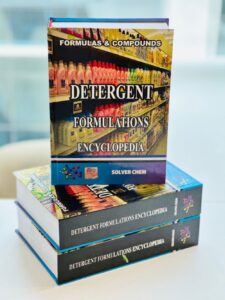
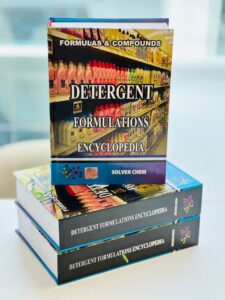
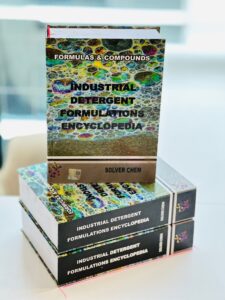
Detailed industrial fabric softener formulations, surfactant selection strategies, and detergent manufacturing knowledge can also be found in the Detergent Formulations Encyclopedia, a comprehensive reference guide for chemists, manufacturers, and entrepreneurs working in the detergent and cleaning products industry.
Role of Cationic Surfactants in Fabric Softeners
Cationic surfactants provide several important functions in fabric softener formulations.
Their primary functions include:
-
Improving fabric softness
-
Reducing static electricity
-
Enhancing fabric smoothness
-
Reducing fiber friction
-
Improving fragrance retention on textiles
When deposited on fabric fibers, these surfactants create a conditioning layer that improves the overall feel and appearance of fabrics.
For a broader overview of other ingredients used in these products, see our article on:
👉 Raw Materials Used in Fabric Softener Formulations
Common Types of Cationic Surfactants Used in Fabric Softeners
Several types of cationic surfactants are commonly used in modern fabric softener formulations.
| Surfactant | Function |
|---|---|
| Esterquat | Primary softening agent widely used in modern fabric softeners |
| Dialkyl Dimethyl Ammonium Chloride | Provides strong conditioning and anti-static properties |
| Amidoamine Surfactants | Used as secondary conditioning agents and stabilizers |
Esterquats
Esterquats are among the most widely used conditioning agents in modern fabric softeners. These surfactants are derived from fatty acids and quaternary ammonium compounds.
Advantages of esterquats include:
-
Excellent softening performance
-
Improved biodegradability
-
Lower environmental impact compared to older quaternary compounds
Dialkyl Dimethyl Ammonium Compounds
These compounds are traditional fabric softening agents that provide strong conditioning properties. They attach effectively to textile fibers and create a smooth surface on fabrics.
Amidoamine-Based Surfactants
Amidoamine surfactants are used in some fabric softener formulations due to their good compatibility with various additives and fragrances.
Interaction Between Cationic Surfactants and Textile Fibers
The effectiveness of cationic surfactants in fabric softeners is mainly due to their interaction with textile fibers.
After washing, many textile fibers carry a slightly negative surface charge. When a cationic surfactant is added during the rinse cycle, the positively charged molecules are attracted to the fiber surface.
This electrostatic attraction allows the surfactant molecules to form a thin coating on the fabric, which:
-
improves softness
-
reduces static electricity
-
enhances the smooth feel of textiles
Advantages of Cationic Surfactants in Fabric Softener Formulations
Cationic surfactants offer several advantages for detergent manufacturers and textile care products.
Key benefits include:
-
excellent fabric softening performance
-
improved anti-static properties
-
good compatibility with fragrances
-
long-lasting conditioning effects on fabrics
Because of these advantages, cationic surfactants remain the primary conditioning agents used in most modern fabric softener formulations.
Further Reading
Industrial fabric softener formulations, surfactant selection strategies, and detergent manufacturing techniques are explained in detail in the Detergent Formulations Encyclopedia, a comprehensive reference guide used by chemists, manufacturers, and entrepreneurs working in the detergent industry.
SUMMARY
Cationic surfactants are the key ingredients responsible for the softening effect in fabric softener formulations. Their positive charge allows them to attach to negatively charged textile fibers, forming a lubricating layer that improves fabric softness and reduces static electricity.
Modern fabric softeners commonly use esterquats and other quaternary ammonium compounds because of their excellent conditioning performance and improved environmental compatibility. By carefully selecting appropriate cationic surfactants, manufacturers can develop effective and stable fabric softener products suitable for both household and industrial applications.