Introduction
Fabric softener formulations are complex liquid systems that contain conditioning agents, fragrances, and various additives designed to improve the softness and feel of fabrics. In order to maintain product stability and ensure long shelf life, stabilizers and preservatives are essential components of most modern fabric softener formulations.
Liquid fabric softeners are typically water-based emulsions containing surfactants and other organic ingredients. Without proper stabilization and microbial protection, these formulations may separate, degrade, or develop microbial contamination during storage.
Stabilizers help maintain the physical stability of the formulation, while preservatives protect the product from microbial growth. Together, these ingredients ensure that fabric softeners remain effective and safe throughout their shelf life.
For a complete overview of how fabric softeners are formulated and produced, see our main guide on:
Fabric Softener Formulation and Manufacturing Process
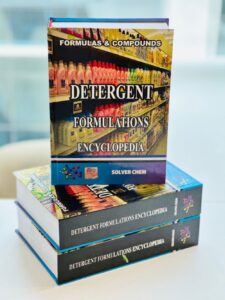
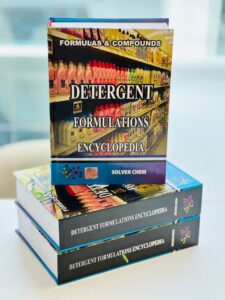
Looking for professional detergent formulations and ingredient guidance? Detailed fabric softener formulations, stabilizer systems, and industrial production knowledge can also be found in the Detergent Formulations Encyclopedia, a comprehensive guide for chemists, manufacturers, and entrepreneurs working in the detergent industry.
Importance of Stabilizers in Fabric Softener Formulations
Stabilizers are used to maintain the physical and chemical stability of liquid fabric softener formulations. Because these products often contain emulsified surfactants and fragrance oils, phase separation can occur if the formulation is not properly stabilized.
Stabilizers perform several important functions:
-
maintaining emulsion stability
-
improving product viscosity
-
preventing phase separation
-
enhancing compatibility between ingredients
Many stabilizers also help maintain a consistent product appearance and texture during storage and transportation.
Fabric softener formulations rely on several types of raw materials that work together to maintain stability. A detailed overview of these ingredients can be found in:
Raw Materials Used in Fabric Softener Formulations
Common Stabilizers Used in Fabric Softeners
Several types of stabilizing agents are commonly used in fabric softener formulations.
Thickening Agents
Thickening agents help control the viscosity of the product and prevent separation of the formulation.
Examples include:
-
cellulose derivatives
-
xanthan gum
-
polyacrylate polymers
These materials help maintain a uniform texture and improve product handling during manufacturing.
Emulsion Stabilizers
Emulsion stabilizers help maintain the dispersion of surfactants and fragrance oils in water.
Typical stabilizing agents include:
-
nonionic surfactants
-
fatty alcohol derivatives
-
polymeric stabilizers
These additives help maintain a stable formulation during storage.
Preservatives Used in Fabric Softener Formulations
Because fabric softeners contain water and organic ingredients, they are susceptible to microbial growth. Preservatives are therefore essential to prevent contamination by bacteria, yeast, and mold.
Common preservatives used in fabric softener formulations include:
-
isothiazolinone derivatives
-
phenoxyethanol
-
organic acid based preservative systems
These ingredients protect the formulation during storage and prevent product spoilage.
Preservatives must be carefully selected to ensure compatibility with other ingredients, including cationic surfactants. More information about these conditioning agents can be found in:
Cationic Surfactants Used in Fabric Softener Formulations
Factors Affecting Stability of Fabric Softener Formulations
Several factors influence the long-term stability of liquid fabric softeners.
Important factors include:
-
surfactant concentration
-
pH of the formulation
-
storage temperature
-
compatibility between ingredients
-
microbial resistance of the system
Proper formulation design and careful ingredient selection are essential to ensure that the product remains stable throughout its shelf life.
Further Reading
Industrial fabric softener formulations, stabilizer selection strategies, and detergent manufacturing techniques are explained in detail in the Detergent Formulations Encyclopedia, a comprehensive reference guide used by chemists, manufacturers, and entrepreneurs in the detergent industry.
SUMMARY
Stabilizers and preservatives play an important role in maintaining the stability and safety of liquid fabric softener formulations. Stabilizers help maintain emulsion stability, prevent phase separation, and control product viscosity, while preservatives protect the formulation from microbial contamination.
By carefully selecting appropriate stabilizing agents and preservative systems, manufacturers can produce stable and high-quality fabric softener products suitable for long-term storage and commercial distribution.