Essential Calcium Nutrition for Plants and How to Formulate It
Calcium is one of the most important secondary nutrients in plant nutrition, playing a vital role in maintaining plant structure, improving crop quality, and enhancing resistance to environmental stress. Although required in smaller quantities than primary nutrients, calcium is essential for cell wall formation, root development, and nutrient transport within plants. Understanding essential calcium nutrition and how to formulate it into effective fertilizers is crucial for manufacturers, agronomists, and growers aiming to achieve optimal crop performance.
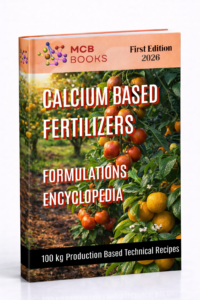
Calcium contributes directly to the structural integrity of plant tissues by strengthening cell walls and stabilizing cell membranes. This leads to improved plant rigidity, better resistance to physical damage, and enhanced tolerance to environmental stress. Calcium also plays a key role in root growth and development, enabling plants to absorb water and nutrients more efficiently. In addition, it supports the movement of other nutrients within the plant, ensuring balanced nutrition.
Calcium deficiency is a common issue in many crops, especially in fruits and vegetables. Symptoms include blossom end rot in tomatoes and peppers, bitter pit in apples, and tip burn in leafy vegetables. These problems not only reduce yield but also significantly affect product quality and market value. Supplying calcium in a readily available form is essential to prevent these disorders and maintain crop health.
Formulating calcium fertilizers begins with selecting the appropriate calcium source. Common raw materials include calcium nitrate, calcium chloride, calcium sulfate, and chelated calcium compounds. Each source has specific properties that influence its application. Calcium nitrate is highly soluble and ideal for fertigation systems, providing both calcium and nitrogen. Calcium chloride is often used in foliar applications for rapid nutrient uptake, while calcium sulfate is commonly used for soil conditioning and long-term calcium supply.
Calcium fertilizers can be formulated in different forms depending on the intended use. Liquid formulations are widely used for foliar spraying and fertigation due to their rapid absorption and ease of application. However, maintaining stability in liquid calcium fertilizers requires careful control of pH and ingredient compatibility to prevent precipitation. Stabilizers and buffering agents are often added to ensure long-term stability.
Powder and granular formulations offer advantages such as extended shelf life, ease of storage, and cost-effective transportation. These formulations require precise control of particle size distribution and moisture content to ensure consistent quality and efficient nutrient delivery. Granular calcium fertilizers are particularly useful for soil application, providing a slow and controlled release of nutrients.
The formulation process also involves optimizing the composition to ensure maximum nutrient availability and compatibility with other agricultural inputs. Proper mixing techniques, controlled processing conditions, and the use of stabilizing additives help maintain product consistency and performance.
Quality control is an essential part of calcium fertilizer formulation. Parameters such as pH, solubility, nutrient concentration, and physical properties must be carefully monitored to ensure product reliability. Stability testing under different storage conditions helps identify potential issues and improve formulation design.
With increasing demand for high-quality agricultural products, calcium nutrition has become more important than ever. Farmers are looking for fertilizers that not only improve yield but also enhance crop quality and post-harvest performance. By understanding calcium nutrition and applying advanced formulation techniques, manufacturers can develop effective fertilizers that meet these demands.
In conclusion, essential calcium nutrition is a key factor in achieving healthy and productive crops. Proper formulation of calcium fertilizers ensures that this critical nutrient is delivered effectively and efficiently to plants. The Essential Calcium Nutrition for Plants and How to Formulate It approach provides valuable insights for developing high-quality fertilizers and supporting modern agricultural success.